Reclamation - restoring disturbed lands

604 readers
7 users here now

A place to discuss and learn about the restoration of disturbed lands to desirable end land uses

founded 2 years ago
MODERATORS
101
102


Related topic from Australia. More of a why we need to fix the issues.

cross-posted from: https://aussie.zone/post/177260

I won't even summarise this one as it's dear to my heart.

Soil erosion, particularly in riparian zones, is out of control. Soil loss is one of the greatest disasters befalling this planet in plain sight. Cows trampling, farmers spraying, excessive rainfall (same amount of rain falls in heavy storms than consistently over a longer period), windier (less calm days) etc., all add up to pressures that are just getting worse each year.

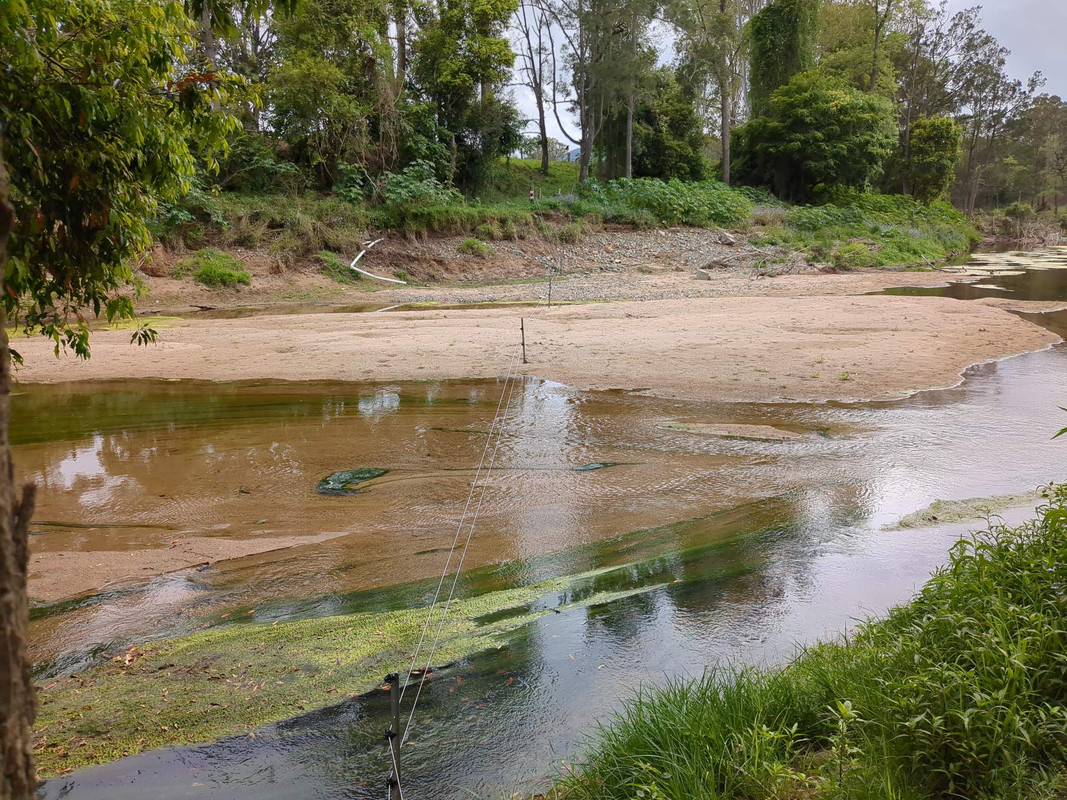
Pictured below was the deepest water in our local river headwaters. This is what's left after the farmer sprayed 7km of riparian vegetation out and after the floods. From over 2m deep and long to ankle deep. Platypus and Lungfish were present before.

Imagepipe-354.jpg

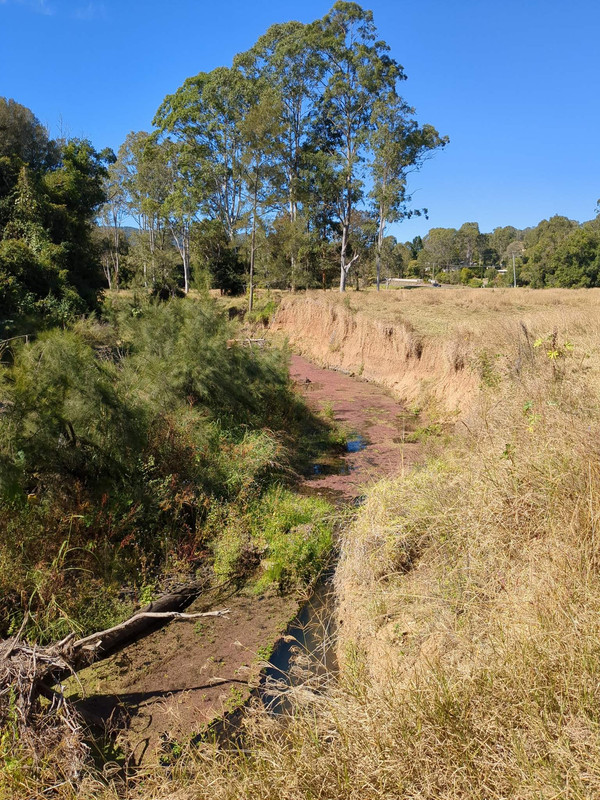
And this is just a normal creek around here. No one is doing anything about it. Farmers aren't, that's for sure. It's their land.

Imagepipe-275.jpg

103


What do you do when you don't have soil? Unfortunately, this is a common occurrence in mining; particularly on older sites.

104


short article, some good information on the benefits of alder in the ecosystem, and getting the planting rates right

105


cross-posted from: https://beehaw.org/post/425372

This is one of my favourite overview videos of Vetiver Grass, Chrysopogon zizanioides; a sterile plant with a myriad of uses that grows in areas with humid/wet Summers (or a water phytoremediation plant in hot, dry areas). Mainly used as erosion control on heavily degraded lands in full sun as a pioneer to native revegetation.

This video used to be hosted on Vimeo but has been reuploaded to YouTube, hence the lack of views.

If you have any questions on how Vetiver works, ask away. Happy to answer all of them.

106


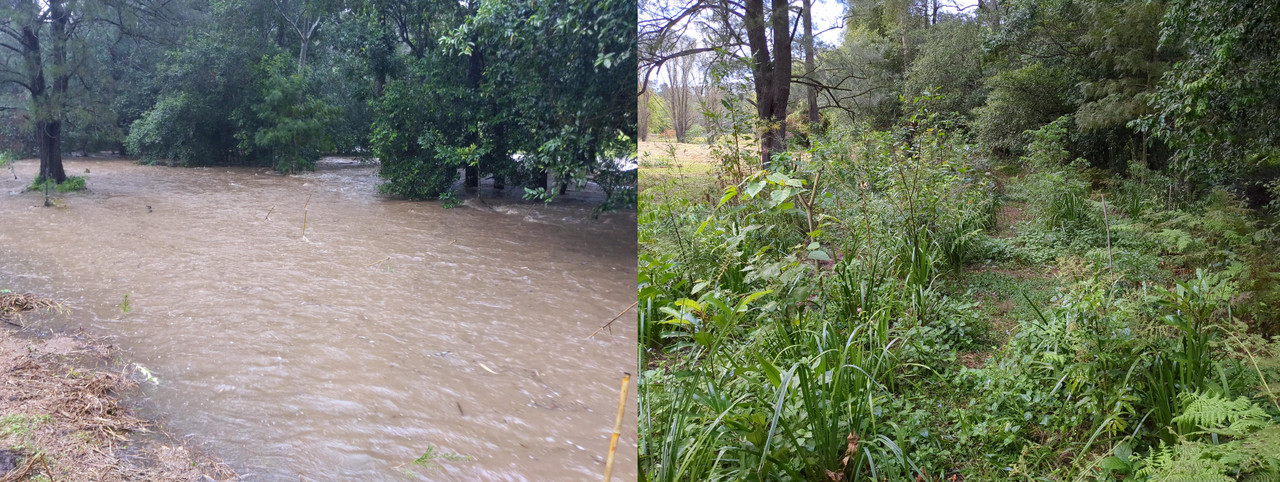
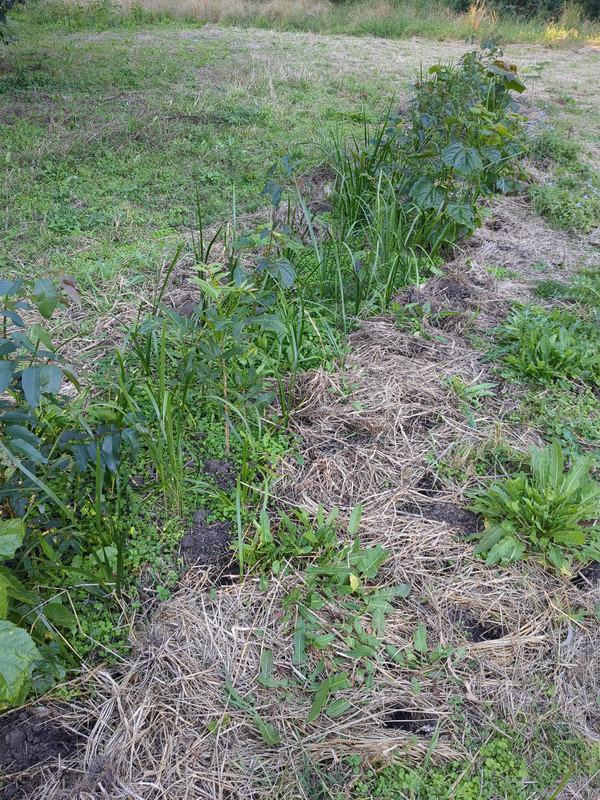
This method has been championed across the globe and in my day to day, I've been seeing more and more attempts of the technique. When done well, the growth is accelerated with excellent results in canopy creation.

I did a quick search for an overview article and then included a rebuttal I found a while back.

https://daily.jstor.org/the-miyawaki-method-a-better-way-to-build-forests/

(This group have video tutorials if that's your thing - https://www.afforestt.com/methodology)

https://science.thewire.in/environment/how-mr-miyawaki-broke-my-heart/ - this is worth reading as it gives a timeline in how they learnt to reforest a more educated, natural way.

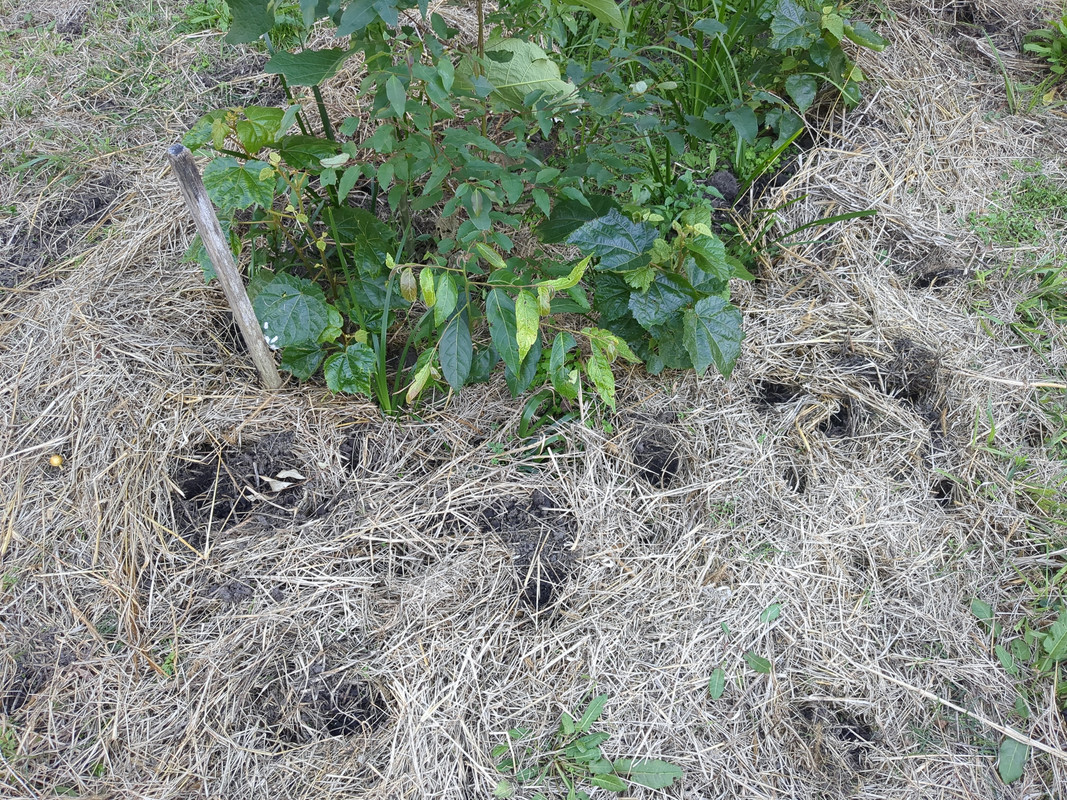
What I've found here is that people just take the spacing technique without the plant design, mulching, watering and just slap them into a bare dirt area. This creates quite an interesting random aspect to it which can change the properties of the planting i.e. weed growth dominates the slower-growing species where a well-mulched planting wouldn't have that problem, or the species when not designed well from the outset compete together poorly.

For me, and what I try and do, the resource allocation for it is a little too high and basically difficult to achieve unless a mulch and nutrient source somehow magically appears in a wild area. If you had the mulch (or maintenance abilities) and lead-in time for the nursery, I would suggest giving it a go and see what you think.
107


Slightly off-topic but urban land "adjustment" through a type of reclamation and restructure of biological systems can benefit the inhabitants.

cross-posted from: https://aussie.zone/post/156135

Human-caused disturbance and loss of natural habitats greatly affect urban soil biodiversity.

"The potential for improving human health by enhancing urban soil biodiversity is an important yet little understood field of fundamental and applied research," she says.

As well as large urban parks, researchers point out that private backyards, potted indoor plants, and even road verges, footpaths and green roofs and walls can all elevate exposure to soil—in tandem with efforts to remediate and remove soil pollutants to regain a balance of soil biodiversity necessary for more healthy city environments.

Summary by tldrthis.com

108


This is an old article but I thought relevant for the community byline.

If the goal is to restore disturbed lands, some more disturbed than others, there is a lot of work ahead! People that want to recreate historical states may have to temper their expectations a little.

109


Long read.

110


Really good read

111


I'm not sure if this c/ is the best place to post this or not. But this was a really good read! It ties together historical concepts of permaculture, ecological resiliency, and present day indigenous land rights.

112
113


Climate-adjusted provenancing aims to capture adaptive variation within species as a resource for facilitating climate adaptation and maintaining broader evolutionary flexibility in planted vegetation. A systematic understanding of inherent adaptive capacity within different plant functional, taxonomic, and distributional types could play a central role in decision frameworks toward application of such provenancing strategies for climate-resilient restoration.

114
1
submitted 2 years ago* (last edited 2 years ago) by Track_Shovel@slrpnk.net to c/reclamation@slrpnk.net


A large part of reclamation is centred around (end) land use. What will our site be once we are done with it?

As such. I'm a huge proponent of efficient and intelligent land use planning; something that is not happening in Canada. A large portion of Alberta is situated on extremely fertile Chernozemic soil order (Mollisols for you US folks), yet we are paving and building over them at an alarming rate. Same goes with the Ontario region, which is what they are getting at with the Golden Horseshoe (those are Melaninc Brunisols, but functionally similar to Chernozems).

The breaking and cultivation of the parts of the fringes boreal forest was difficult for pioneers and homesteaders; they found out the hard way which areas could successfully be brought under production or not. Yet even the areas where agriculture failed are quite fertile in the grand scheme of things. Soil organic matter tends to stick around in Canada and the nothern states; not so in tropical and desert environments. Deforestation in the Amazon is driven in part by the push for agriculture, yet these soils are marginal at best for agriculture. Tropical soils absorb Phosphorus like a vampire does blood, and because of the temperature, soil organic matter is mineralized at a ridiculously fast rate. Farmers down that way would kill for the soils we pave over; even the shitty ones.

I suppose my point is to take a long hard look at your site's soil baseline data. It is the foundation on which your reclaimed ecosystem/land use will be built upon. Even if you do everything right, it's going to take a long time to get back to where things started before a dozer went through the area. Follow the best management practices carefully, as being in a situation where you're short on soil is unenviable.

/Rant

115
116
117


Org based in Portland, Oregon USA that turns parking lots back to paradise.

118


Another main goal for reclamation is to restore the landscape so that it ties into the surrounding, undisturbed landscape and to bring back the ecosystems that were obliterated during human activity. To do this, reclamation practitioners must consider the species they will use during revegetation. While some species may occur in undisturbed locations, and we may want them to come back, planting or seeding them may not be feasible. In most cases, a lot of the native vegetation we want is not available commercially, so we're forced to make due with which native species ARE available or locally collect these seeds ourselves, which is very time consuming.

The general steps for species selection are:

  1. determine which species are common to each site series and those that existed on the landscape
  2. review guidance documents (government?) and consider dominant overstory and understorey species for area we intend to reclaim
  3. determine which species are commercially available, or easily harvested - these will become the foundation of our revegetation prescription
  4. Plant the species. In some cases, we may want to intensively plant in some locations, creating vegetation islands. If there are existing areas of natural vegetation, we also want to try and protect these from degrading as they are an important source of seeds.
  5. monitor the recovery of our planted species; adapt our strategy if things aren't going well
  6. test the efficacy of our new list at another location. If we got it right the first time, keep revegetating
  7. continue to adapt our strategy as we learn new things.
119
120


A common goal in the reclamation of disturbed lands is for wildlife to return to pre-disturbance levels. Artificial refuges are a way to help this process but must be constructed carefully. This article looks at their use

121


Basic concept, but a useful article to reference

122


The rough and loose technique uses an excavator to create 30 cm to 100 cm deep pits with similar height mounds to increase microsites and slowing and capturing water.