101

A science based community to discuss and learn all things related to soils.
This is a work in progress, please don't mind the mess.
Subdisciplines of soil science include:
These subdisciplines are used by various other disciplines, particularly those related to reclamation, remediation, and agriculture.
Find us on Reddit
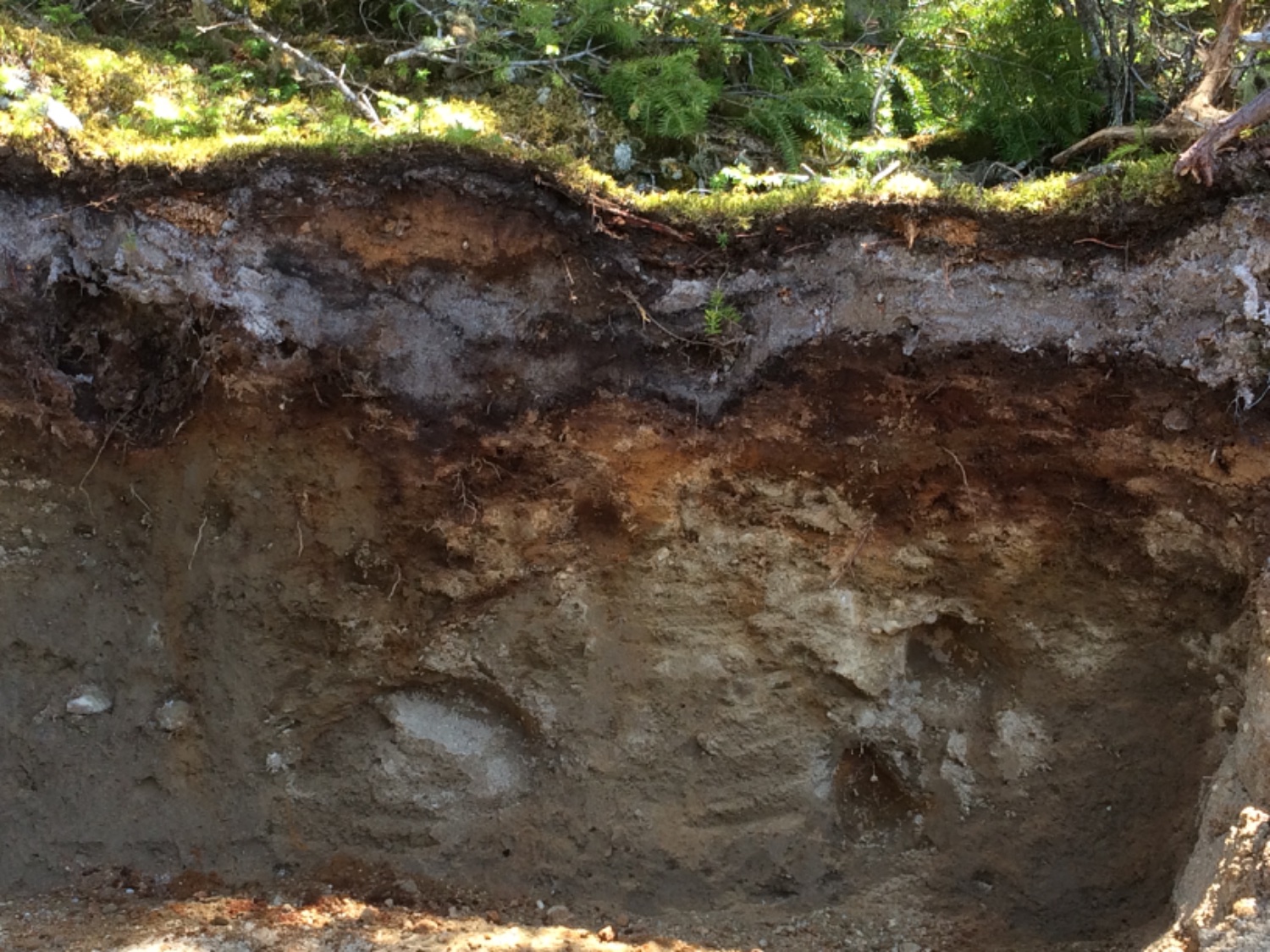
Look how thick the Ae (first) horizon is!

Profile description:
Ah: 0-2 cm; 10YR 2/1; SCL; Weak Fine Granular; Friable
R 2-100 cm

Solonetzic soils are formed when sodium rich ground water causes 2:1 clays to disperse, forcing columns to form

The structure is caused by sodium in groundwater dispersing the clay in the soil. These soils are hard to manage since the structure creates a hardpan, which causes water to pool in the subsurface and drown agronomic plants

Note the layer of carbonates (white) in the lower profile


Soil testing a few km away in a slightly similar area indicates a grey chromosol. This area has some of the oldest soils in Australia, possibly 370 to 320 million years ago. 20km away is 160 million years and supports a rich rainforest.
https://www.qld.gov.au/environment/land/management/soil/soil-testing/types


This is a typical forest subsoil for the boreal, but the structure is a lot stronger than normal.

Not sure if this is something the community here has interest in.
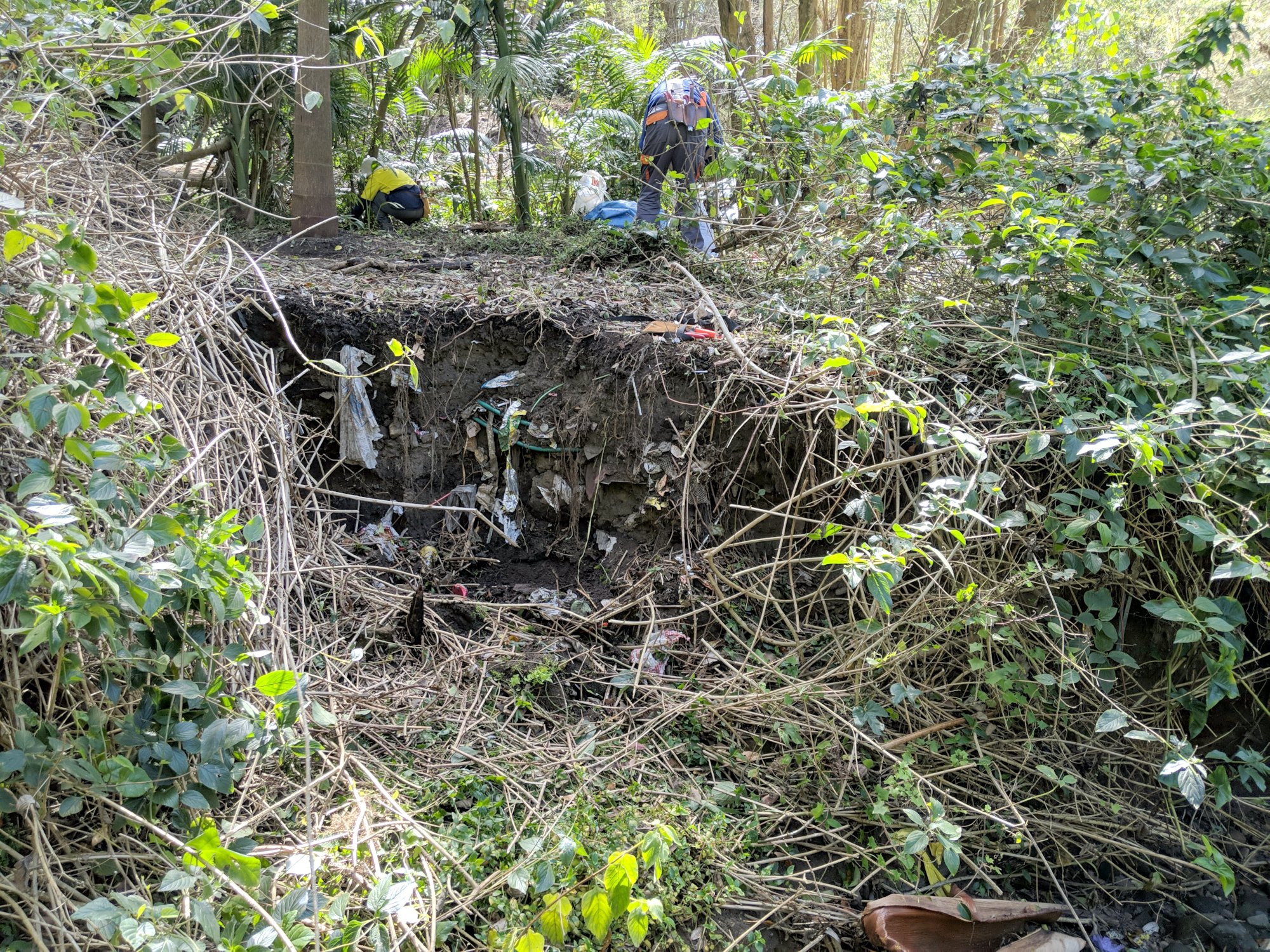
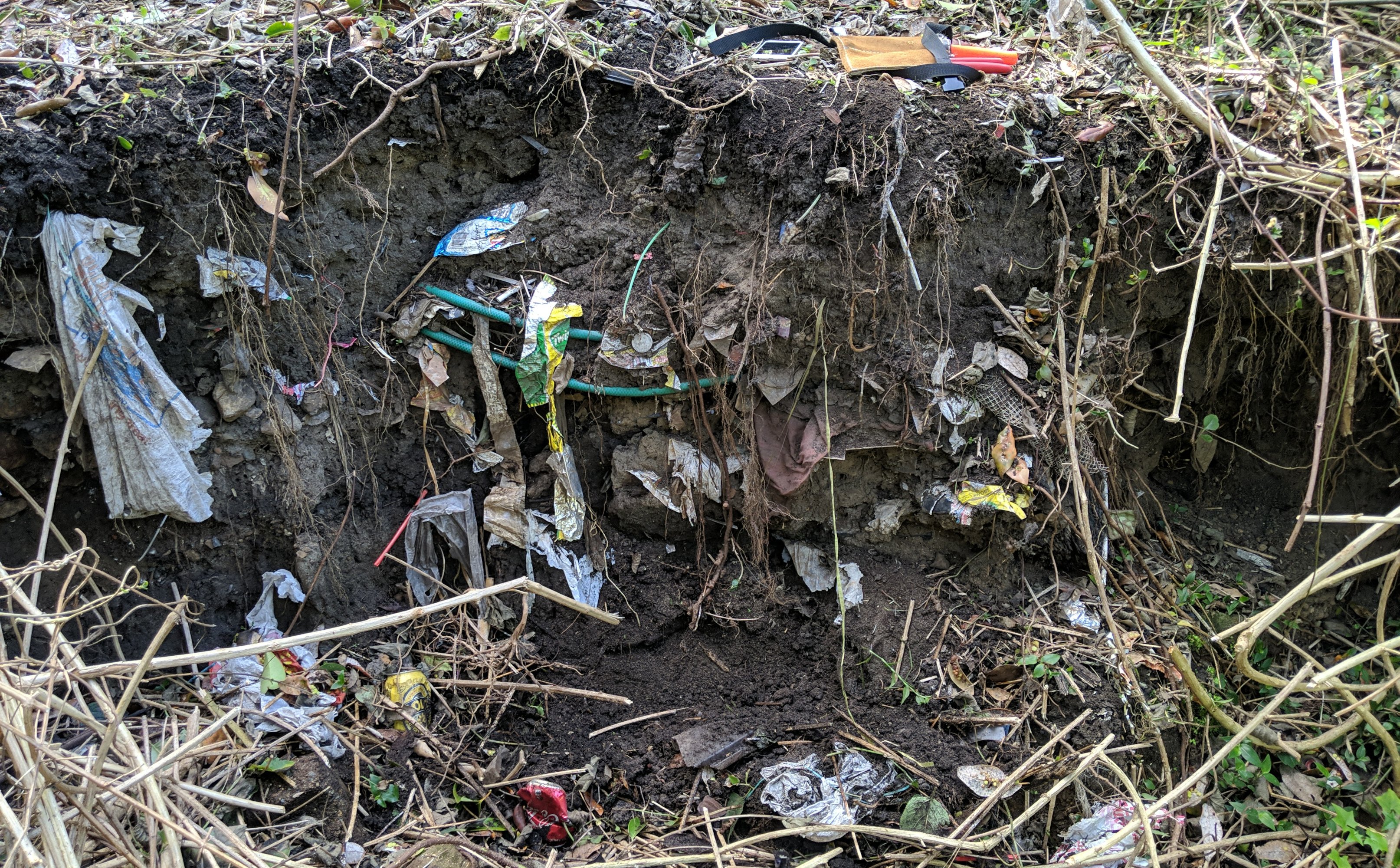
A section of the creek bank has fallen away, revealing that all of the soil has been recently deposited (~ last few decades). The garbage inclusion likely spreads for dozens or maybe hundreds of cubic meters of earth. We don't want to disturb the soil to clean this out so we're limited to surface level cleaning.
On the flipside: it's lots of deep fertile topsoil. The fast growing weeds, like lantana, absolutely love it.
This area threw me for a loop. Orthic Black Chernozems are common on the prairies, but usually the A horizon tops out at about 30 cm. Further, Glaciolacustrine deposits are usually nearly level.
This A went to 60 cm, and was on hummocky topography. What gives? Well the topography was bedrock controled as I was in the foothills and the proximity to the mountains (colder temps and erosional deposition) yielded the deepest topsoil I've seen to date