Soil Science

704 readers
1 users here now

Welcome to c/soilscience @ slrpunk.net!

A science based community to discuss and learn all things related to soils.


Notice Board

This is a work in progress, please don't mind the mess.


Subdisciplines of soil science include:

These subdisciplines are used by various other disciplines, particularly those related to reclamation, remediation, and agriculture.
Rules

  1. Don't throw mud. Be kind and remember the human.
  2. Keep it rooted (on topic).
  3. Please use a tag.
  4. No spam.
  5. Memes are welcome, but the focus of this community is science-based


Resources

Blogs

Careers

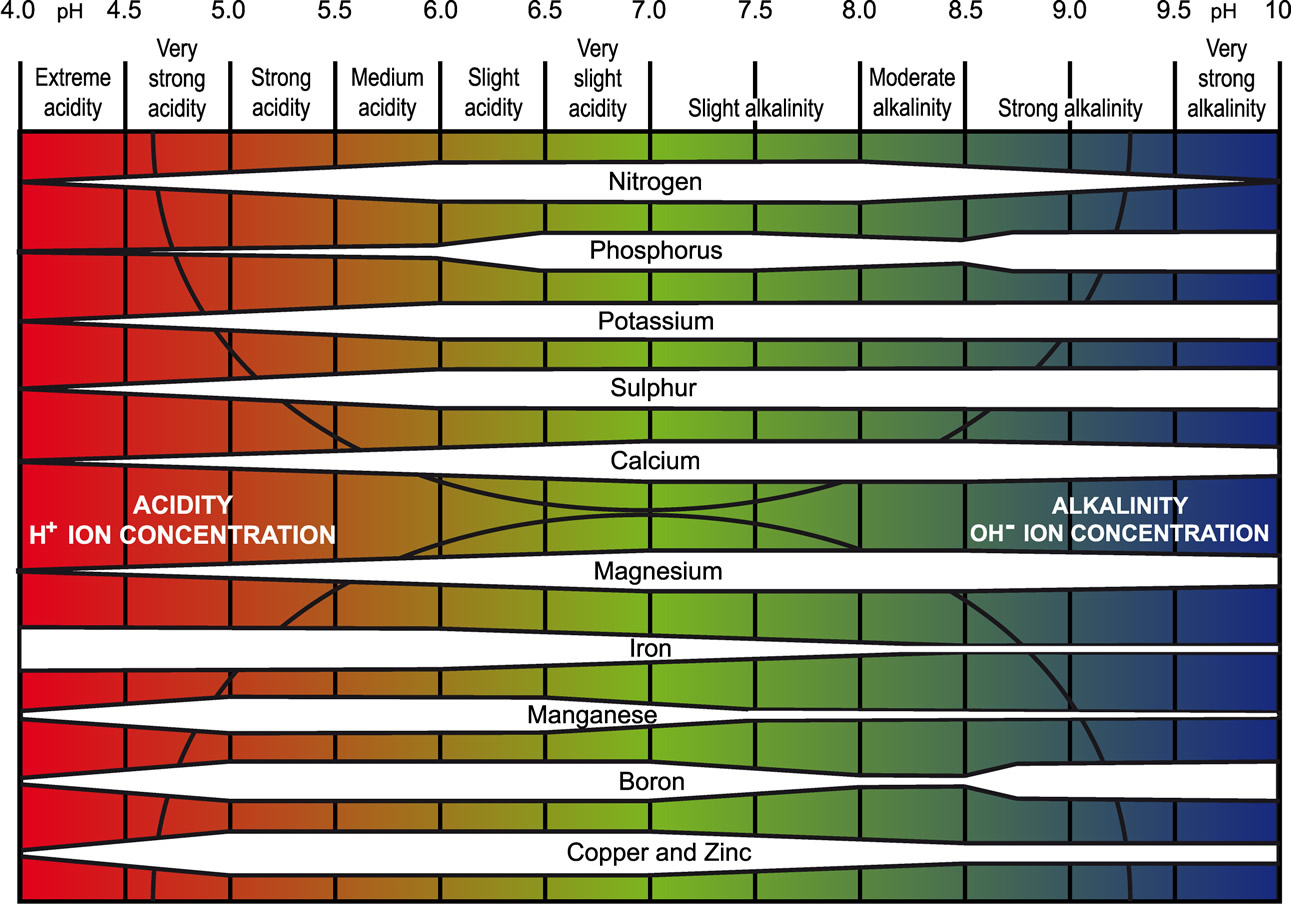
Chemistry

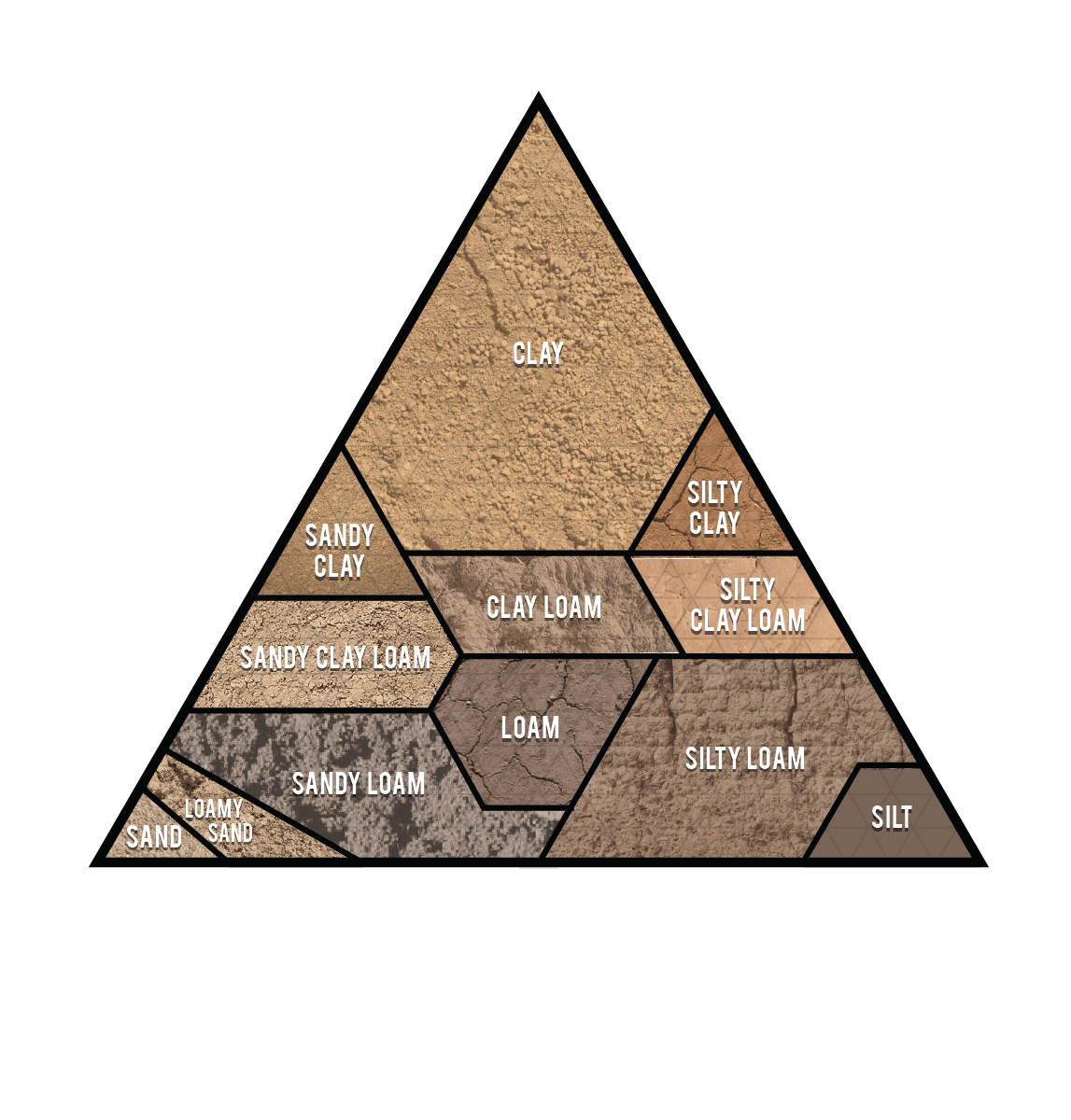
Classification

Maps & Datasets

Canada

Europe

United States

World

Soil Contamination:


Similar Communities


Sister Communities

Science and Research

Biology and Life Sciences

Plants and Gardening

Physical Sciences

Humanities and Social Sciences

Memes


Find us on Reddit

founded 2 years ago
MODERATORS
126
 
 
127
 
 
128
 
 
129
 
 
130
 
 
131
 
 
132
 
 
133
 
 
134


A greenhouse study with barley (Hordettm disticlton L.) and wheat (Triticum aestivum L.) grown on two mineral soils and fertilized with three levels of 7-yr-old compost combined with four different levels of nitrogen (N) showed that boron (B) toxicity was dependent on the amount of N used in combination with compost. At high rates of compost, symptoms of B toxicity characterized by brown spotting and a burning appearance on older leaf tips, were moderate to severe in both crops. Addition of N decreased the severity of these symptoms; at a high rate of 150 ppm applied N, B toxicity was negligible. The B concentrations of the tissues of the two crops increased with increasing rates of compost and decreased with increasing rates of N in the soil. There was a significant interaction between the rates of compost and applied N. At low rates of N, increased applications of compost resulted in greater concentrations of B. Increasing rates of compost decreased the manganese (Mn) concentration of the boot-stage tissue. 'the tissue Mn concentrations ranged from 44 to 185 ppm and were not the cause of toxicity symptoms noted on the leaves. The N/B ratios of 249-520 were associated with severe to medium B toxicity, whereas ratios of greater than 682 were associated with very few to no B toxicity symptoms.

135


Abstract: Soil is one of the most important natural resources and medium for plant growth. Anthropogenic interventions such as tillage, irrigation, and fertilizer application can affect the health of the soil. Use of fertilizer nitrogen (N) for crop production influences soil health primarily through changes in organic matter content, microbial life, and acidity in the soil. Soil organic matter (SOM) constitutes the storehouse of soil N. Studies with 15N-labelled fertilizers show that in a cropping season, plants take more N from the soil than from the fertilizer. A large number of long-term field experiments prove that optimum fertilizer N application to crops neither resulted in loss of organic matter nor adversely affected microbial activity in the soil. Fertilizer N, when applied at or below the level at which maximum yields are achieved, resulted in the build-up of SOM and microbial biomass by promoting plant growth and increasing the amount of litter and root biomass added to soil. Only when fertilizer N was applied at rates more than the optimum, increased residual inorganic N accelerated the loss of SOM through its mineralization. Soil microbial life was also adversely affected at very high fertilizers rates. Optimum fertilizer use on agricultural crops reduces soil erosion but repeated application of high fertilizer N doses may lead to soil acidity, a negative soil health trait. Site-specific management strategies based on principles of synchronization of N demand by crops with N supply from all sources including soil and fertilizer could ensure high yields, along with maintenance of soil health. Balanced application of different nutrients and integrated nutrient management based on organic manures and mineral fertilizers also contributed to soil health maintenance and improvement. Thus, fertilizer N, when applied as per the need of the field crops in a balanced proportion with other nutrients and along with organic manures, if available with the farmer, maintains or improves soil health rather than being deleterious.

136


These soils are transitional soils between Dark Brown Chernozems (typical arable soils in the region) and the Solonetzic order. Structure is caused by high salinity in the soil causing the dispersion of 2:1 clays

137
 
 
138


ABSTRACT: Soil stockpiling is a necessary component of opencast coal mining and, because most of the soils involved have arable potential, this involves the possibility of serious soil degradation. A study at four mines on the Highveld of South Africa involved sampling a number of stockpiles of various ages and origins. Samples were also collected from unmined adjacent soils, as well as rehabilitated areas. Results of stockpiling showed a deterioration in all physical and chemical parameters studied. The soil profile texture gradient was disturbed, due to mixing of surface and subsurface materials. Stockpile bulk density rose by 4% from unmined soils and by a further 6% in rehabilitated areas, indicating continuing compaction problems. Cation exchange capacity values did not entirely correspond with the textural changes, suggesting increased leaching, whereas pH values decreased for many stockpiles, requiring post-mining liming to re-establish suitable environments. Organic carbon levels on stockpiles fell by 5%,

and by a further 35% to rehabilitated areas. Increasing age of stockpile did not seem to equate to a correspond- ing increase in degradation, except possibly for pH, which showed a weak correlation. Recommendations from

the study include the use of ‘cut and cover’ rehabilitation techniques; continuous soil specialist consultation, and limitations on stockpile height and duration.

139


Textures ranged between LS and SL

140
9
submitted 2 years ago* (last edited 2 years ago) by casey@mander.xyz to c/soilscience@slrpnk.net


I know I can send soil samples to my local university extension office for testing, but how do I test soil for glyphosate-based herbicides, lead, arsenic, and other contaminates?

As a citizen scientist I'm about to get into composting more on my property and would like to know more.

141
142


Clay skins are formed from the translocation of clay within a soil profile in a process called Lessivage.

143


Note the Krotovina (filled in burrow) immediately above the scale stick. We were making monoliths, which is why the sides are cut out.

144
145


Abstract Soil with heavy metals contamination, mainly lead (Pb), cadmium (Cd), and chromium (Cr) is a progressively worldwide alarming environmental problem. Recently, biochar has been used as a soil amendment to remediate contaminated soils, but little work has been done to compare with other organic amendments like compost. We investigated biochar and compost's comparative effect on Pb, Cd, and Cr immobilization in soil, photosynthesis, and growth of maize plants. Ten kg soil was placed in pots and were spiked with Pb, Cd, and Cr at concentrations 20, 10, 20 mg kg−1. The biochar and compost treatments included 0, 0.5, 1, 2, and 4% were separately applied to the soil. The crop from pots was harvested after 60 days. The results show that the highest reduction of AB-DTPA extractable Pb, Cd, and Cr in soil was 79%, 61% and 78% with 4% biochar, followed by 61%, 43% and 60% with 4% compost compared to the control, respectively. Similarly, the highest reduction in shoot Pb, Cd, and Cr concentration was 71%, 63% and 78%with 4% biochar, followed by 50%, 50% and 71% with 4% compost than the control, respectively. The maximum increase in shoot and dry root weight, total chlorophyll contents, and gas exchange characteristics were recorded with 4% biochar, followed by 4% compost than the control. The maximum increase in soil organic matter and total nitrogen (N) was recorded at 4% biochar application while available phosphorus and potassium in the soil at 4% compost application. It is concluded that both biochar and compost decreased heavy metals availability in the soil, reducing toxicity in the plant. However, biochar was most effective in reducing heavy metals content in soil and plant compared to compost. In the future, more low-cost, eco-friendly soil remediation methods should be developed for better soil health and plant productivity.

146


Phytoextraction techniques utilizing a sterile strain of Vetiver grass (~~Vetiveria~~ Chrysopogon zizanoides) along with soil amendments were evaluated for removing lead and other elements such as Zn, Cu, and Fe from the soil of a 50-year old active firing range at the Savannah River Site (SRS). Lead-contaminated soil (300–4500 ppm/kg) was collected, dried, placed in pots, fertilized, and used as a medium for growing transplanted Vetiver grass plants in a greenhouse. The uptake of metals by the plants was evaluated in response to various fertilization and pre-harvest treatment schemes. Baseline metal concentrations in the soil of all pots were measured prior to planting and when the plants were harvested. Plants grew better when fertilized with Osmocote® fertilizer in comparison to plants fertilized with 10-10-10 (NPK) fertilizer. Application of a chelating agent, EDTA, one week prior to harvest significantly increased the amount of lead that was phytoextracted. Lead concentrations of up to 1390–1450 ppm/kg in tissue samples were detected. Maximum Pb levels were observed in root tissues. The addition of non-lethal doses of a slow-release herbicide in combination with EDTA did not appear to further enhance phytoextraction or the translocation of Pb into shoots. The study indicated that the use of Vetiver grass coupled with the use of chelating soil amendments has considerable potential for use as a remedial strategy for lead-contaminated soils such as those associated with firing ranges.

147
11
submitted 2 years ago* (last edited 2 years ago) by Nemo@midwest.social to c/soilscience@slrpnk.net


I'm in Chicago, on the West Side, with two adjoining lots of uncertain history.

The lot I live in had no garage going back several decades, but I pulled out a foundation for something smallish when I laid down sod after moving in; and when I dug the posts for the fence (and raised beds) I found not one but two brick patios, one about six inches down and one about eighteen inches down. Also a lot of garbage, car parts, old clothes, and plastic.

The second lot has a sunken area with a footprint the same size as my brick four-square. I don't know if the limestone foundation is still down there. We filled in the area with wood chips to keep down weeds and reduce the likelihood of falling into the hole.

Right now we're gardening in raised beds, but I'd like to get to in-ground planting eventually. What do I need to watch out for, what do I need to do, and what plants can I use to pull any heavy metals out of the soil over the next few years? I know sunflowers work if you get them out by the root, and that's great, but is there anything more low-profile or more physically manageable, especially something native to the area?

148
 
 
149


Soils are an eective sink for carbon storage and immobilization through biomass productivity and enhancement of soil organic carbon (SOC) pool. The SOC sink capacity depends on land use and management. Degraded lands lose large amounts of C through SOC decomposition, erosion, and leaching. Thus, restoration of disturbed and degraded mine lands can lead to increase in biomass productivity, improved soil quality and SOC enhancement and sequestration. Reclamation of mined lands is an aggrading process and oers signi®cant potential to sequester C. A chronosequence study consisting of 0-, 5-, 10-, 15-, 20- and 25-year-old reclaimed mine soils in Ohio was initiated to assess the rate of C sequestration by pasture and forest establishment. Undisturbed pasture and forest were used as controls. The SOC pool of reclaimed pasture sites increased from 15.3 Mg ha1 to 44.4 Mg ha1 for 0±15 cm depth and from 10.8 Mg ha1 to 18.3 Mg ha1 for 15±30 cm depth over the period of 25 years. The SOC pool of reclaimed forest sites increased from 12.7 Mg ha1 to 45.3 Mg ha for 0±15 cm depth and from 9.1 Mg ha1 to 13.6 Mg ha1 for 15±30 cm depth over the same time period. The SOC pool of the pasture site stabilized earlier than that of the forest site which had not yet attained equilibrium. The SOC sequestered in 0±30 cm depth over 25 years was 36.7 Mg ha1 for pasture and 37.1 Mg ha1 for forest.

150


3 pager on how to calculate fertilizer rates. This premise is used frequently with organic amendments

view more: ‹ prev next ›