55
Climate Talks End With 'Empty Deal' That Fails on Forests, Finance, and Fossil Fuels | Common Dreams
(www.commondreams.org)
Discussion of climate, how it is changing, activism around that, the politics, and the energy systems change we need in order to stabilize things.
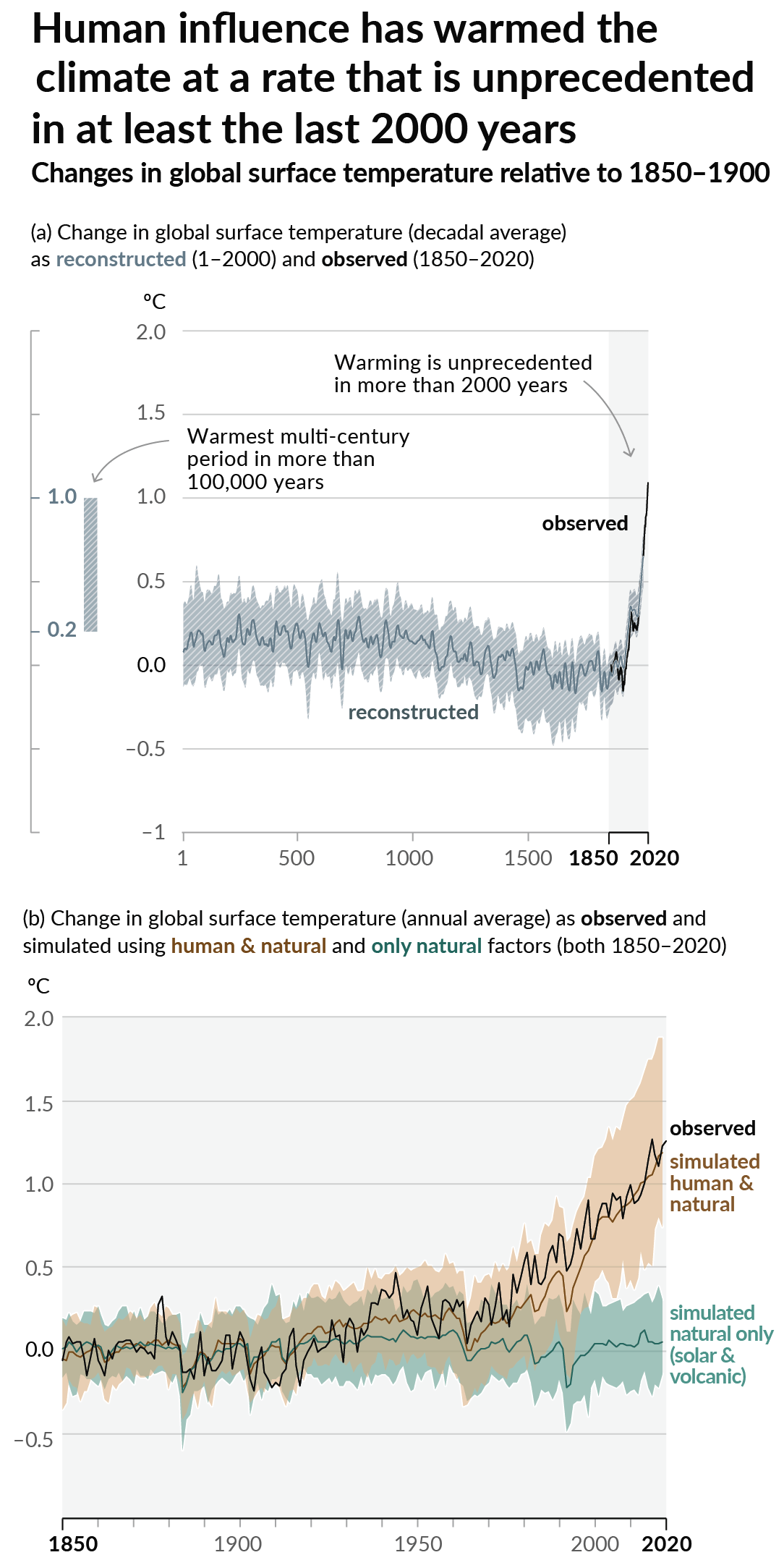
As a starting point, the burning of fossil fuels, and to a lesser extent deforestation and release of methane are responsible for the warming in recent decades:
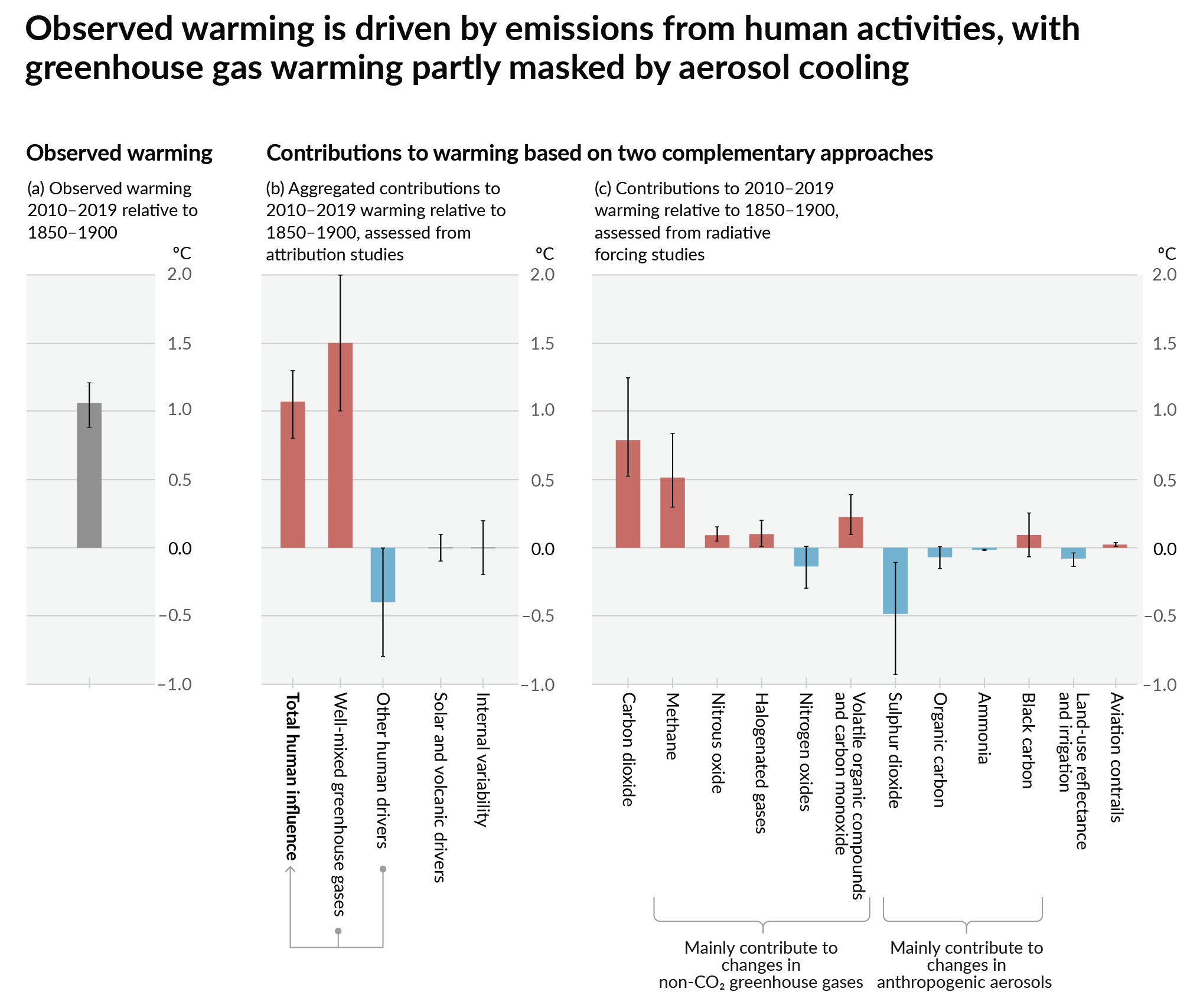
How much each change to the atmosphere has warmed the world:
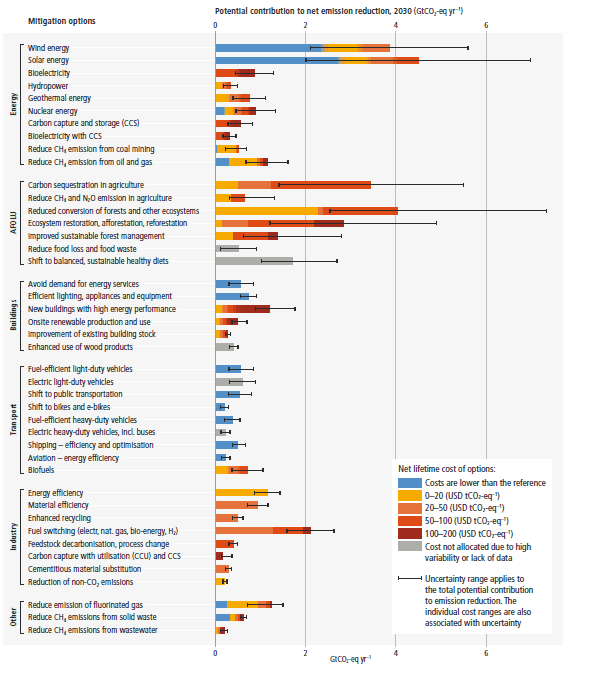
Recommended actions to cut greenhouse gas emissions in the near future:
Anti-science, inactivism, and unsupported conspiracy theories are not ok here.
I have concerns that the opposite effect may be occurring. The leading countries in addressing climate change appear to have prioritized their efforts at the expense of industrial growth, energy security, and short-term population welfare, which has resulted in economical stagnation or decline, unhappy populations and political turmoil. Geopolitically, it seems they may have overextended their influence, leaving them with little to offer and they are easily ignored in global discussions.
Developing and manufacturing nations view that approach as a cautionary example.
Personaly, I would be glad if this were the case. Honestly, I wonder how you came to this conclusion
Remember Hoekstra's emberassing speech? Like a toddler throwing a tantrum. (1)
"Under no circumstances are we going to accept this." in name of EU. They accepted it two days later as everyone ignores him anyways.
Almost none of the other countries cares for EU's opinion because the EU has shown that the greenification comes at the cost of most expensive energy in the world (1), deindustrialization (2), becoming completely dependent on foreign r&d and manufacturing. This also has military consequences, as we can view in Russia's war in Ukraine - EU promised aid it can't deliver, leading to strategic mistakes, deaths and military losses by Ukraine. This also economical consequences, leading to political instability and which will permeate to the loss of the welfare state.
We've made an exempliary role of ourselves, in a cautionary way.
We try to convince others by relying on slogans and wishful thinking, on the one hand. And shaming and bullying on the other. Should've relied instead on great engineering that others would want to follow for their own benefit. Show, don't tell.
But we've no such thing - au contraire.
Industrial manufacturing is declining in Europe for sure, but not because of complying to climate policies, as you claimed. Industrial production is falling in most European Union countries, largely due to a lack of competitiveness with China and the US.
Also, the article you linked about the EU loosing manufacturing jobs does not back your claim. On the contrary it says: The move to a sustainable economy is an opportunity to turn the situation around. Towards the end, it also mentions that the EU should make sure that industry jobs are not lost and that Europe's industrial sectors and their workers are fundamental to delivering the climate solutions Europe needs, which are very different things to what you said.
Where does the lack of competitiveness come from?
It's been decades now of supposed opportunity, could and should, of storytelling, hypotheticals and promises, as in your references.
The results are in, the promises turned out false. EU has the most expensive energy of the world, is losing industry faster than ever, there is no novel "green industry". People are looking at reality instead of the fantasy could/should stories.
EU's agenda on climate change is being ignored for valid reasons. We're an unreliable partner in accelerating economical, industrial and thus geopolitical decline.
If we want to convince others on the necessary climate change mitigation methods, we'll have to have something to offer.
We'll have to implement the mitigation methods in a way that shows they're a benefit. So others will want to copy. So far that hasn't happened. We've shown the opposite.