Android
DROID DOES
Welcome to the Android community on Lemmy. Here you can participate in amazing discussions and events relating to all things Android.
The rules for posting and commenting, besides the rules defined here for lemmy.world, are as follows:
Rules
1. All posts must be relevant to Android devices/operating system.
2. Posts cannot be illegal or NSFW material.
3. No spam, self promotion, or upvote farming. Sources engaging in these behavior will be added to the Blacklist.
4. Non-whitelisted bots will be banned.
5. Engage respectfully: Harassment, flamebaiting, bad faith engagement, or agenda posting will result in your posts being removed. Excessive violations will result in temporary or permanent ban, depending on severity.
6. Memes are not allowed to be posts, but are allowed in the comments.
7. Posts from clickbait sources are heavily discouraged. Please de-clickbait titles if it needs to be submitted.
8. Submission statements of any length composed of your own thoughts inside the post text field are mandatory for any microblog posts, and are optional but recommended for article/image/video posts.
Community Resources:
view the rest of the comments
They're not wrong.
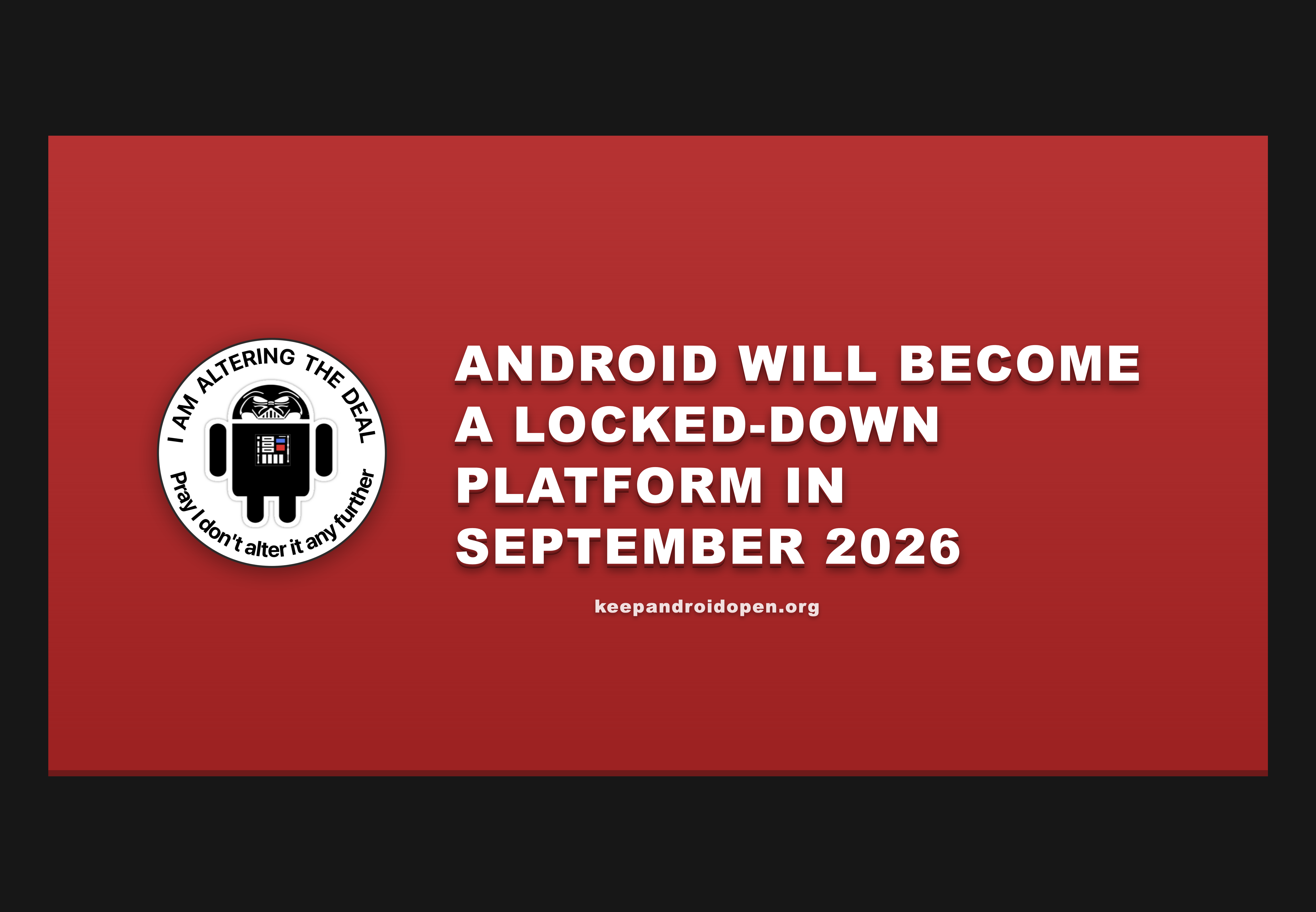
Of course you can fork and have full control over your fork, but Graphene and company want to be able to keep merging AOSP's code to keep up with features and improvements.
Merging code from a divergent codebase is harder the more divergence there is, and with big codebases it can easily overwhelm small and medium-sized teams.
It's the same reason there aren't lots of chromium forks with manifest v2 support, while it is technically feasible, it requires a bigger effort than most projects can afford.
Keeping an open AOSP fork is not a bad idea, but it's not clear whether GrapheneOS or any other project will be able to keep up with that workload.
Of course Linux phones require a lot of work too, but it's work oriented towards making it work instead of towards undoing whatever sabotage google ads to AOSP, so it might motivate more people or be easier to do.
Also, both approaches are compatible.
Linux phones can use waydroid, which depends on AOSP, to run Android apps.