dallen

joined 2 years ago
[–] dallen@programming.dev 4 points 1 month ago (1 children)

It’s probably just that I got used to it with XFCE at some point. My main two concerns:

  • I love having the path in the navbar (and not have to Ctrl-L)
  • I don’t like having devices tucked behind “Other Locations” rather than in the sidebar

Otherwise, I find Nautilus much more aesthetically pleasing.

[–] dallen@programming.dev 4 points 1 month ago (11 children)

I’m a gnome guy but always swap to Thunar on a fresh install.

[–] dallen@programming.dev 4 points 1 month ago

Server is meant for all users of a single server.

So, you could buy 1-3 individual licenses or the server license for 4+ users.

[–] dallen@programming.dev 5 points 2 months ago (1 children)

Really looking forward to running type checks with pre-commit. Mypy is just too slow with most code bases.

[–] dallen@programming.dev 3 points 2 months ago (1 children)

Basic HTML hosted at cv.dallen.co

I have a pipeline that creates a PDF version with weasyprint: https://github.com/damienallen/cv

[–] dallen@programming.dev 2 points 3 months ago (1 children)

The market share and generally more tech savvy user base are probably discouraging.

[–] dallen@programming.dev 1 points 5 months ago

I would go with 16GB for the kinds of things you listed.

If you don’t need a 3.5in drive then I would go even smaller to a mini form factor. It will definitely save you money on electricity. I think it’s the main choice here.

[–] dallen@programming.dev 7 points 5 months ago

Key-only SSH with fail2ban and I sleep easy a night.

[–] dallen@programming.dev 13 points 5 months ago (3 children)

I would go for refurb, business line SFF machines. Something like ThinkCentre or Optiplex. Specific form factor based on drive needs but the smaller you go the more power efficient. I have one on the bigger side (internal psu) that runs about 12W idle.

Just double check that it can handle hardware transcoding. Should fit right in your budget!

[–] dallen@programming.dev 3 points 10 months ago

This level of precision doesn’t make sense. I wouldn’t go any higher than 5 digits which is already meter accuracy.

Especially in the context of a portfolio, this would count against you for geospatial software roles.

14
submitted 2 years ago* (last edited 2 years ago) by dallen@programming.dev to c/cool_github_projects@programming.dev
 

Repo: https://github.com/damienallen/urban-heat

cross-posted from: https://programming.dev/post/14939898

I wanted to share a small project I've been working on. The goal was to make the data from NASA's Landsat Thermal Infrared Sensor more accessible to the general public.

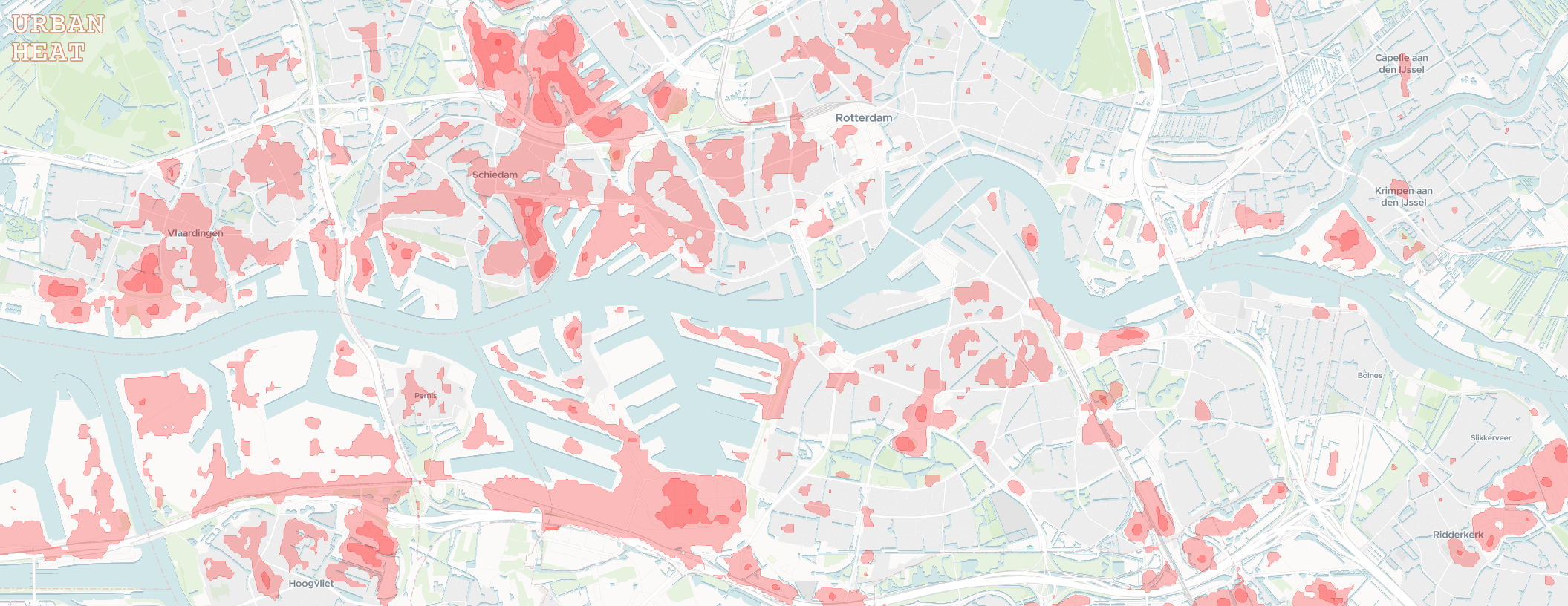
I worked with the raw temperature band data to general annual maximum surface temperature raster images for large urban areas covered by the Eurostat GISCO Urban Audit. In the browser, these images are transformed into easier to interpret isotherm contours with some adjustable settings.

I don't have a specific target audience in mind. The map could help identify areas of refuge for the warmer months, or overheated neighborhoods to avoid as we march towards a toasty future.

Feedback is welcome :)

41
submitted 2 years ago* (last edited 2 years ago) by dallen@programming.dev to c/programming@programming.dev
 

repo: https://github.com/damienallen/urban-heat

cross-posted from: https://programming.dev/post/14939898

I wanted to share a small project I've been working on. The goal was to make the data from NASA's Landsat Thermal Infrared Sensor more accessible to the general public.

I worked with the raw temperature band data to general annual maximum surface temperature raster images for large urban areas covered by the Eurostat GISCO Urban Audit. In the browser, these images are transformed into easier to interpret isotherm contours with some adjustable settings.

I don't have a specific target audience in mind. The map could help identify areas of refuge for the warmer months, or overheated neighborhoods to avoid as we march towards a toasty future.

Feedback is welcome :)
96
submitted 2 years ago* (last edited 2 years ago) by dallen@programming.dev to c/climate@slrpnk.net
 

I wanted to share a small project I've been working on. The goal was to make the data from NASA's Landsat Thermal Infrared Sensor more accessible to the general public.

I worked with the raw temperature band data to general annual maximum surface temperature raster images for large urban areas covered by the Eurostat GISCO Urban Audit. In the browser, these images are transformed into easier to interpret isotherm contours with some adjustable settings.

I don't have a specific target audience in mind. The map could help identify areas of refuge for the warmer months, or overheated neighborhoods to avoid as we march towards a toasty future.

Feedback is welcome :)


EDIT: For UK visitors, sorry to leave you with an empty map...

I've taken a look at older urban extent data and found the geometry I need to process the UK (from before leaving Eurostat). However, there are still some UI limitations to overcome since it seems that cities are split into many boroughs that could only be viewed one at a time. The reason I went with the Eurostat dataset to begin with was a nice delineation of what a city was (for the purposes of this project).

Don't have a timeline, but I do want to add the UK and automatic loading of cities as you pan!

view more: next ›