Mycology

5019 readers
1 users here now

founded 4 years ago
MODERATORS
226


227
49
submitted 1 year ago* (last edited 1 year ago) by the_artic_one@programming.dev to c/mycology@mander.xyz


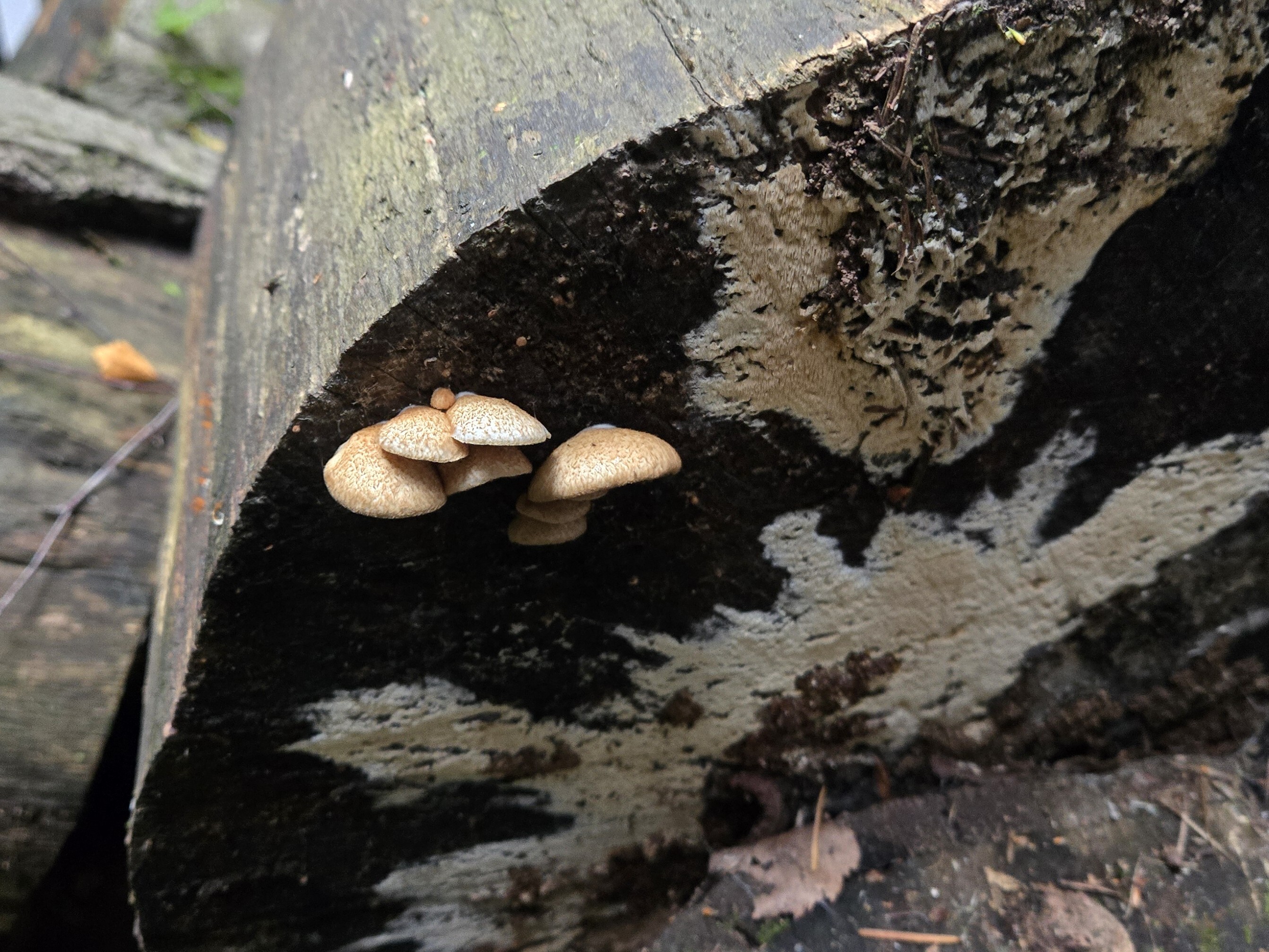
My reasoning for this being A. Adonis: To start with it's a pink mycenoid mushroom of which there are three documented species in the PNW.

It can't be Mycena Monticola because it wasn't found at a high enough elevation for that species (they only grow at over 2000 feet hence the name Monticola meaning "mountain dwelling").

The gills are not marginate (having a different color on the edges) which rules out the other pink species Mycena Rosella.
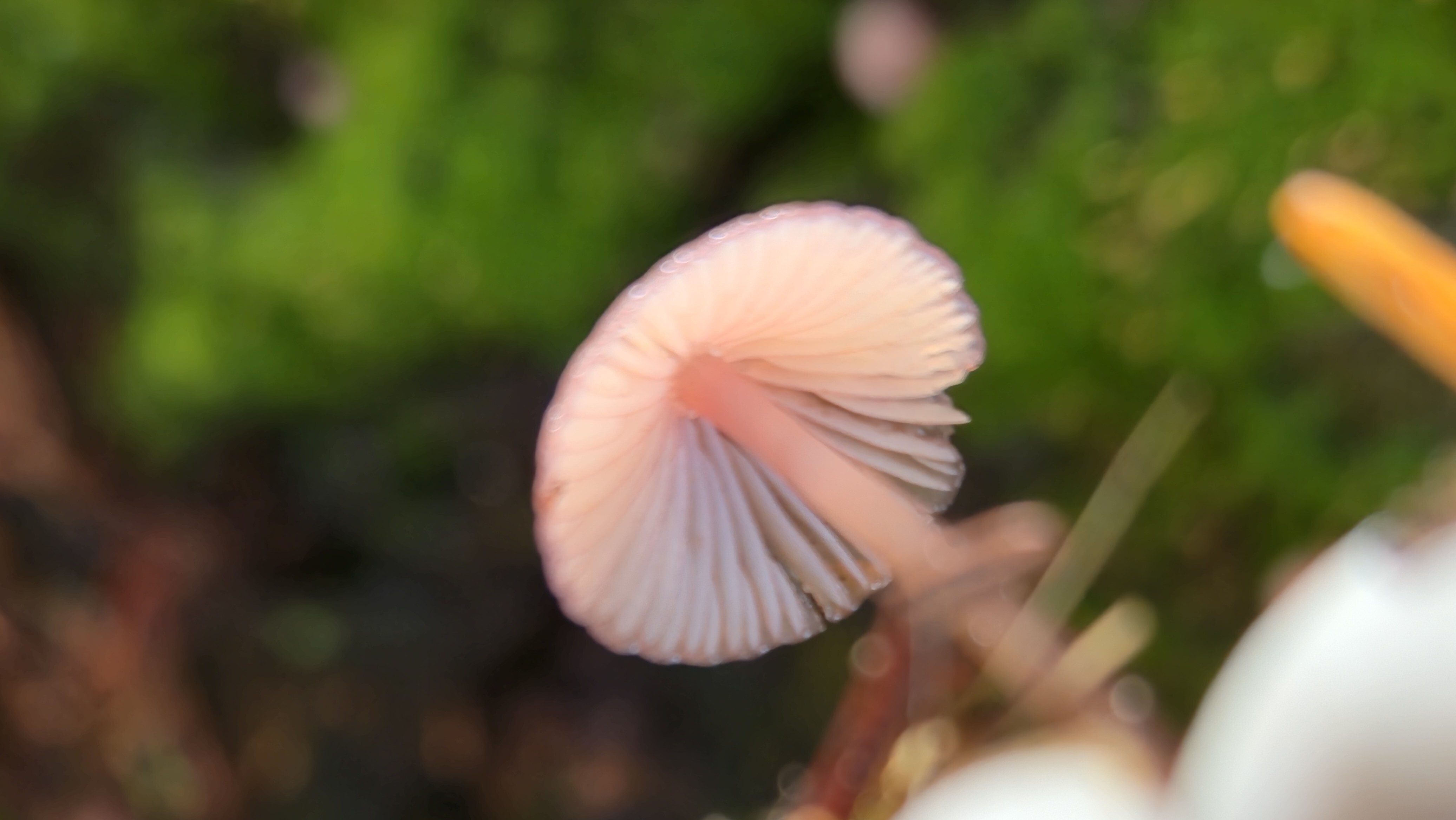
That leaves us with A. Adonis.

228


They were found in mid-november in the Salish Coast region of Cascadia. They were growing out of woodchips composed of a mixture of western hemlock (majority), and western red cedar.

Side view of one full mature specimen:

A group with a sample of the substrate (the cap appears to be umbonate):

A closeup side view, and internal view of the stem (it appears to be hollow):

Cross section of the gills — they appear to be adnate, or sub-decurrent:

Underside of view of the gills:

Spore print (first on white background (the split is due to two halves), second on a black background):

Examples specimens once dried:

Examples of the colony, and the location/substrate in which it was growing:

My initial thought was that they were Psilocybe cyanescens, but that's pretty much completely been confirmed as incorrect [1][2][3][4][5]. The current running theory is that they are Hypholoma dispersum[2][3]. What do you think they are?

References

  1. @Fliegenpilzgünni@slrpnk.net. [To: "Found in mid-November in Cascadia. What are they? Please see the description for more information.". "Kalcifer" (@Kalcifer@sh.itjust.works). "Forage Fellows 🍄🌱" (!foraging@lemm.ee).]. sh.itjust.works. Lemmy. Published: 2024-11-20T13:30:31Z. Accessed: 2024-11-23T03:16Z. https://sh.itjust.works/post/28348066/15147149.

    [...] I’m sorry to disappoint you, but even though they look similar to P. cyanescens, they aren’t.

    Cyans have white-ish stems, dark gills, a purple-black spore print and bruise blue almost instantly when touching them. [...]

  2. @the_artic_one@programming.dev. [To: "Found in mid-November in Cascadia. What are they? Please see the description for more information.". "Kalcifer" (@Kalcifer@sh.itjust.works). "Forage Fellows 🍄🌱" (!foraging@lemm.ee).] sh.itjust.works. Lemmy. Published: 2024-11-20T03:46:33Z. Accessed: 2024-11-23T03:16Z.

    Sorry to disappoint but looks like hypholoma dispersum to me.

    • there’s no blueing on the stems or margin in any of your photos, the ones you picked should have had stained blue anywhere you touched them
    • The margin isn’t translucent striate

    If the cap cuticle is peelable you could make a case that it’s not Hypholoma but without any blueing it’s gonna be Deconica not Psilocybe.

  3. @the_artic_one@programming.dev. [To: "Found in mid-November in Cascadia. What are they? Please see the description for more information.". "Kalcifer" (@Kalcifer@sh.itjust.works). "Forage Fellows 🍄🌱" (!foraging@lemm.ee)]. sh.itjust.works. Lemmy. Published: 2024-11-22T16:16:30Z. Accessed: 2024-11-23T03:21Z. https://sh.itjust.works/post/28348066/15185707.

    That’s consistent with Hypholoma, maybe next time.

  4. @Salamander@mander.xyz. [To: "Found in mid-November in Cascadia. What are they? Please see the description for more information.". "Kalcifer" (@Kalcifer@sh.itjust.works). "What's this fungus?" (!fungusid@mander.xyz).]. sh.itjust.works. Lemmy. Published: 2024-11-21T00:25:10Z. Accessed: 2024-11-23T03:27Z. https://sh.itjust.works/post/28348065/15157911.

    [...] If I would see even a tiny speck of blue bruising I would be more inclined to agree with P. cyanescens, but I don’t see any at all, which makes me very suspicious. [...]

  5. @dandelion@lemmy.blahaj.zone [To: "Found in mid-November in Cascadia. What are they? Please see the description for more information.". "Kalcifer" (@Kalcifer@sh.itjust.works). "Mushrooms" (!mushrooms@lemmy.world). sh.itjust.works. Lemmy. Published: 2024-11-23T02:12:43Z. Accessed: 2024-11-23T03:36Z. https://sh.itjust.works/post/28348063.]. sh.itjust.works. Lemmy. Published: 2024-11-20T17:44:30Z. Accessed: 2024-11-23T03:37Z. https://sh.itjust.works/post/28348063/15151371.

    the spore print is also brown here, but should be purple-ish black if it were Psilocybe spp., also the stipe looks wrong for that ID - I would say definitely not Psilocybe cyanescens (not just because they’re not bruising blue / purple / black).


Cross-posts:

229


I kept a Lion's mane petri dish stored in the fridge for well over a year.

I decided to make an attempt at refreshing it by transferring into fresh petri dishes. After a week I noticed some strong mycelium growth.

After inoculating a grain jar with one of the cultures, I decided to have a look under the microscope to double check, just in case.. And that's when I noticed a morphology that I had never seen before. It looked nothing like Lion's Mane. The full length of the mycelium is covered with these pegs with a sphere at the end.

After some searching, I am almost convinced that this is a Verticillium sp. - a new contaminant for me!

I then checked all of the petri dishes and they are all this same fungus. So, time to get a new fresh culture 😅

230


Species is something like Subcana. Grey Mycena are hard to differentiate.

231


I see these on the disc golf course all the time.

232
30
Mushroom Color Atlas (www.mushroomcoloratlas.com)
233


These have beautiful reddish brown pores on the bottom

234
17
ID help needed (www.inaturalist.org)
submitted 1 year ago* (last edited 1 year ago) by SpiffyMcJiggins@lemmy.world to c/mycology@mander.xyz


Edit: After a bit of research and asking around, it seems that this is likely Cystolepiota bucknallii

Hi! I came across this strange little thing last week and have been struggling to ID it. I'm hoping that maybe someone here can help.

It was found growing in the soil of a mixed forrest, lots of birch, elder, and larch, 10km or so north of the German alps.

Maybe the photo isn't super clear, but the stem is not hollow. And one very distinct feature is that it stank like gasoline or hot plastic. The smell was strong and lingered on my hands long after handling it.

Thank you!

235
236
113
submitted 1 year ago* (last edited 1 year ago) by greedytacothief@lemmy.world to c/mycology@mander.xyz
237
238
239


240
130
submitted 1 year ago* (last edited 1 year ago) by WanderingPhoenix@slrpnk.net to c/mycology@mander.xyz


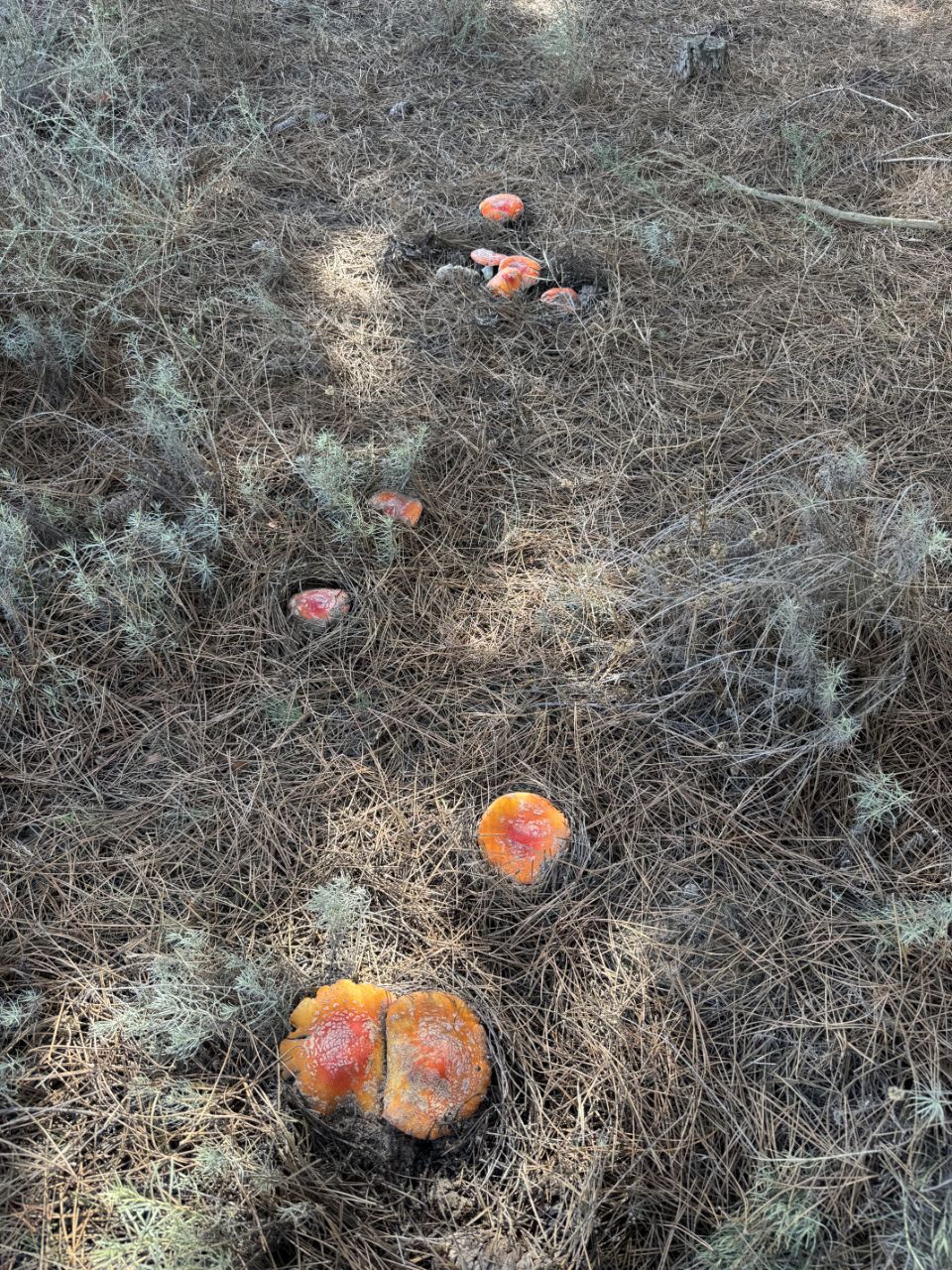
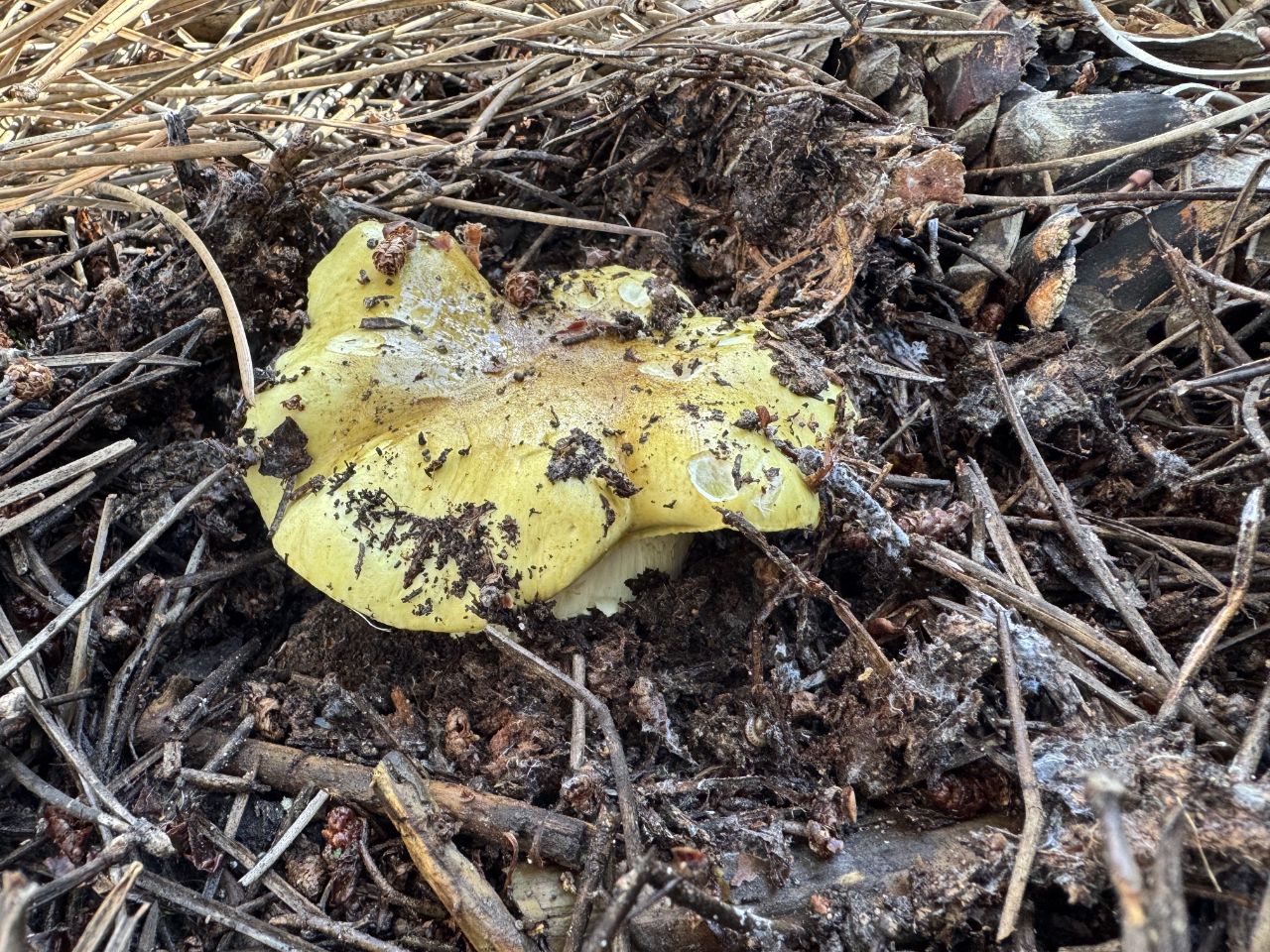
I found this textbook Amanita muscaria while searching for Lactarius deliciosus. There was a huge patch of them. We also found some Tricholoma equestre and a bunch of Russula
241


More pictures available if needed. I broke a few open that were in rougher shape and they are solid white and spongy all the way through. Found in open woods in West Kentucky.

Thinking about frying these up and seeing how they taste but want a bit more assurance that I'm not taking a huge risk doing so. I couldn't find these in my National Audubon Society Field Guide so I'm a bit reluctant to take the chance.

242


Each one is no bigger than a couple inches.

243
244
245
246
85
submitted 1 year ago* (last edited 1 year ago) by Kalcifer@sh.itjust.works to c/mycology@mander.xyz


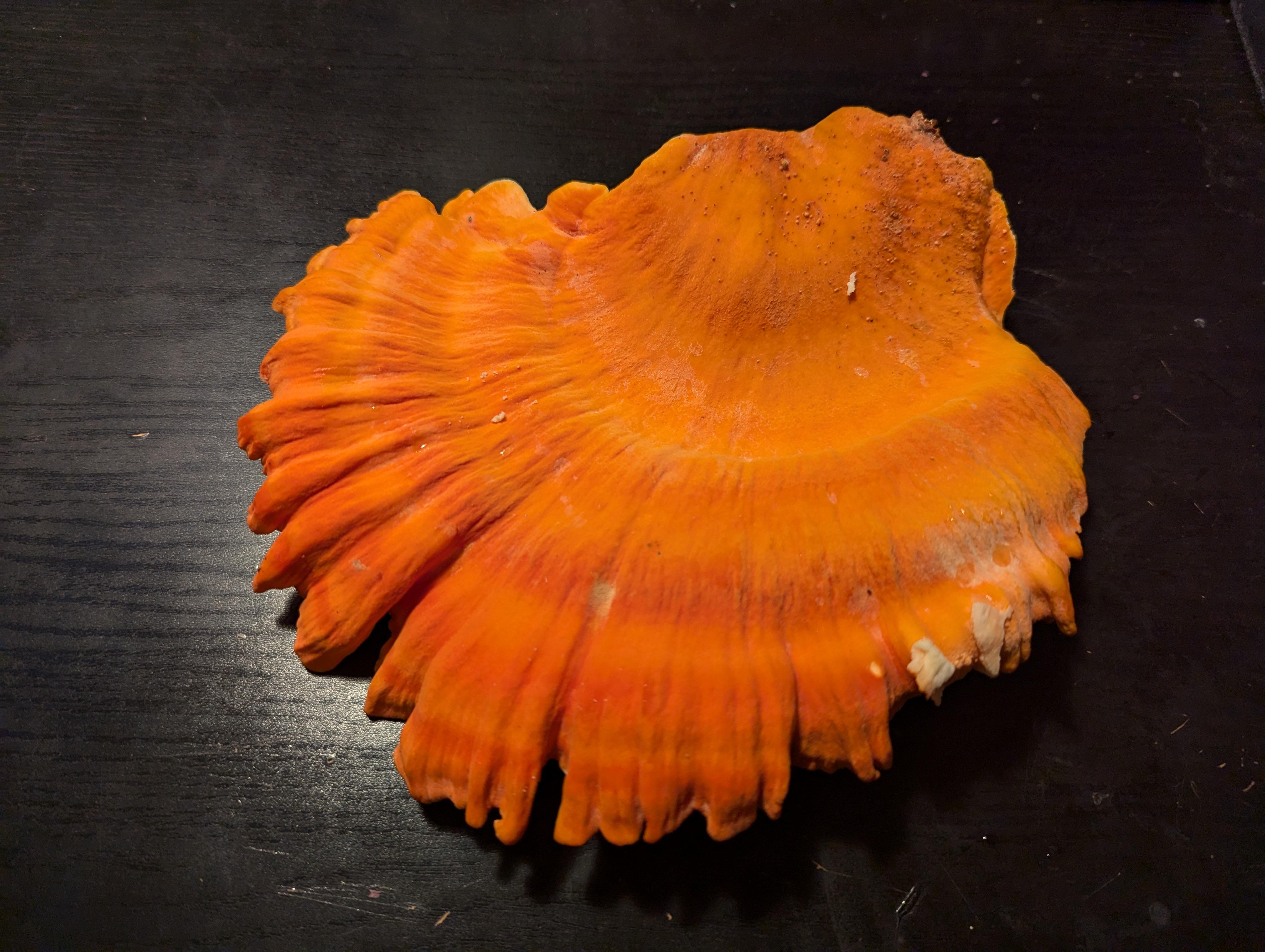
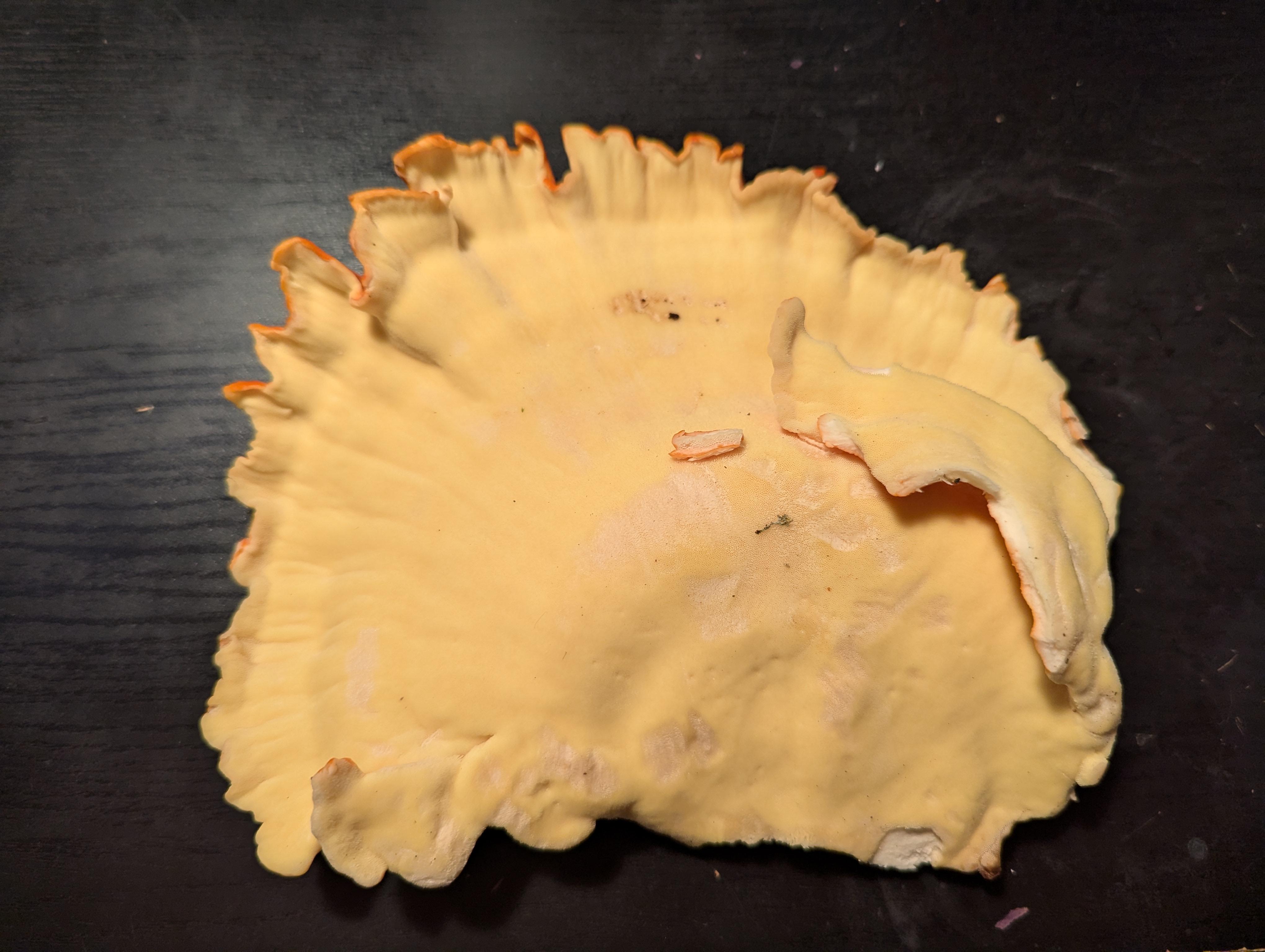
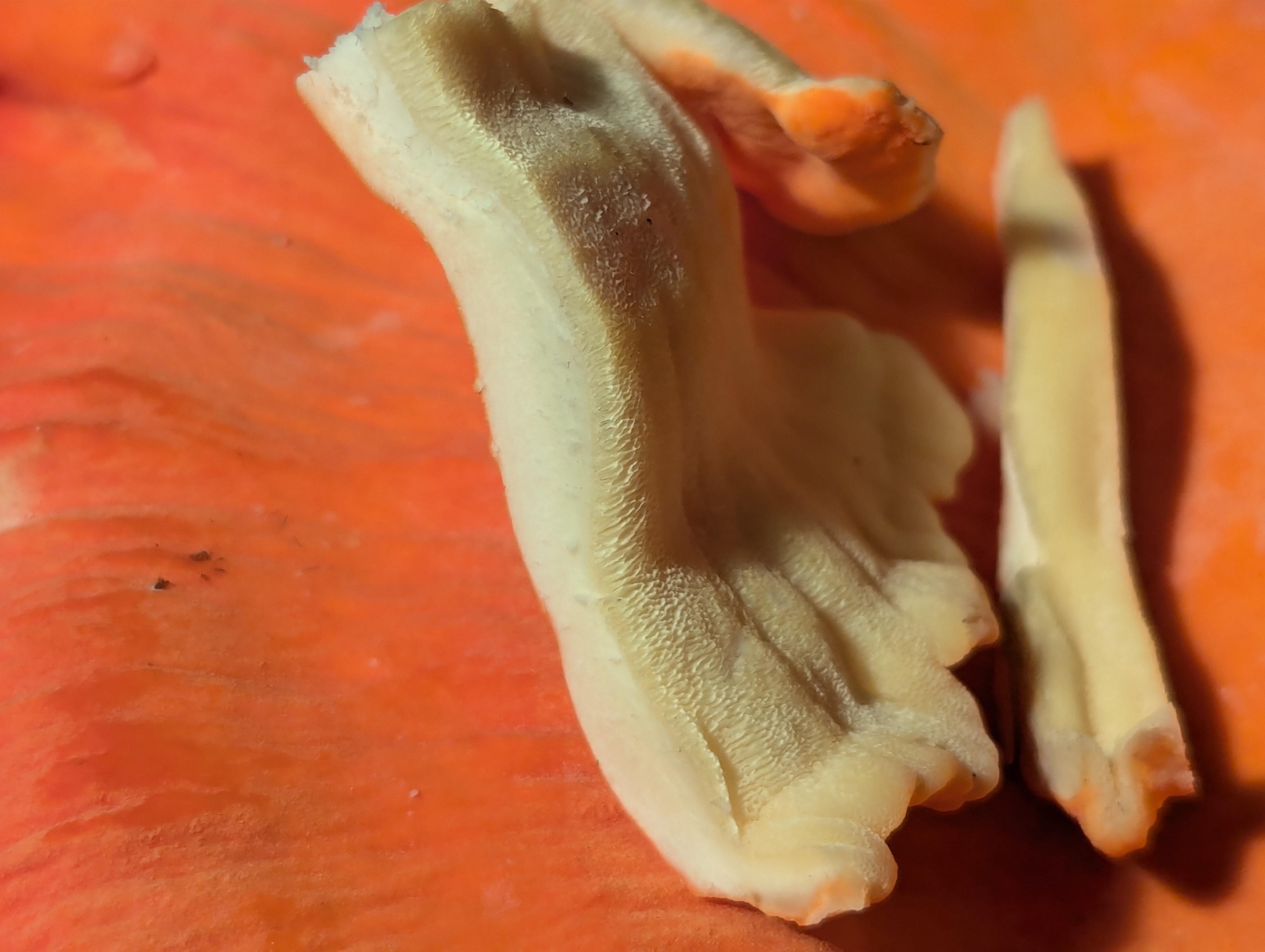
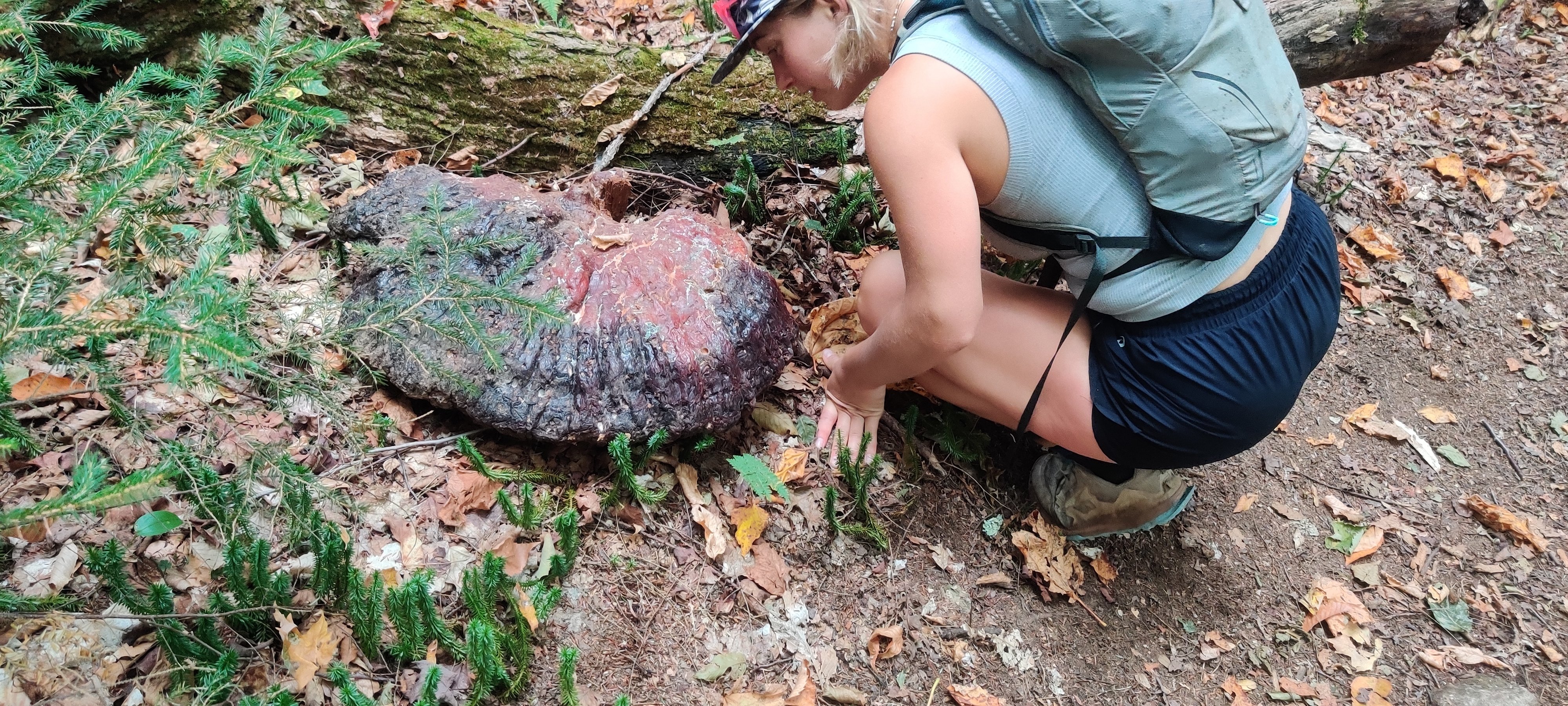
Found in Cascadia/PNW in mid-August.

If it is indeed chicken of the woods (ie laetiporus), I'm curious as to which species.


Cross-posts:

247
248
249
250


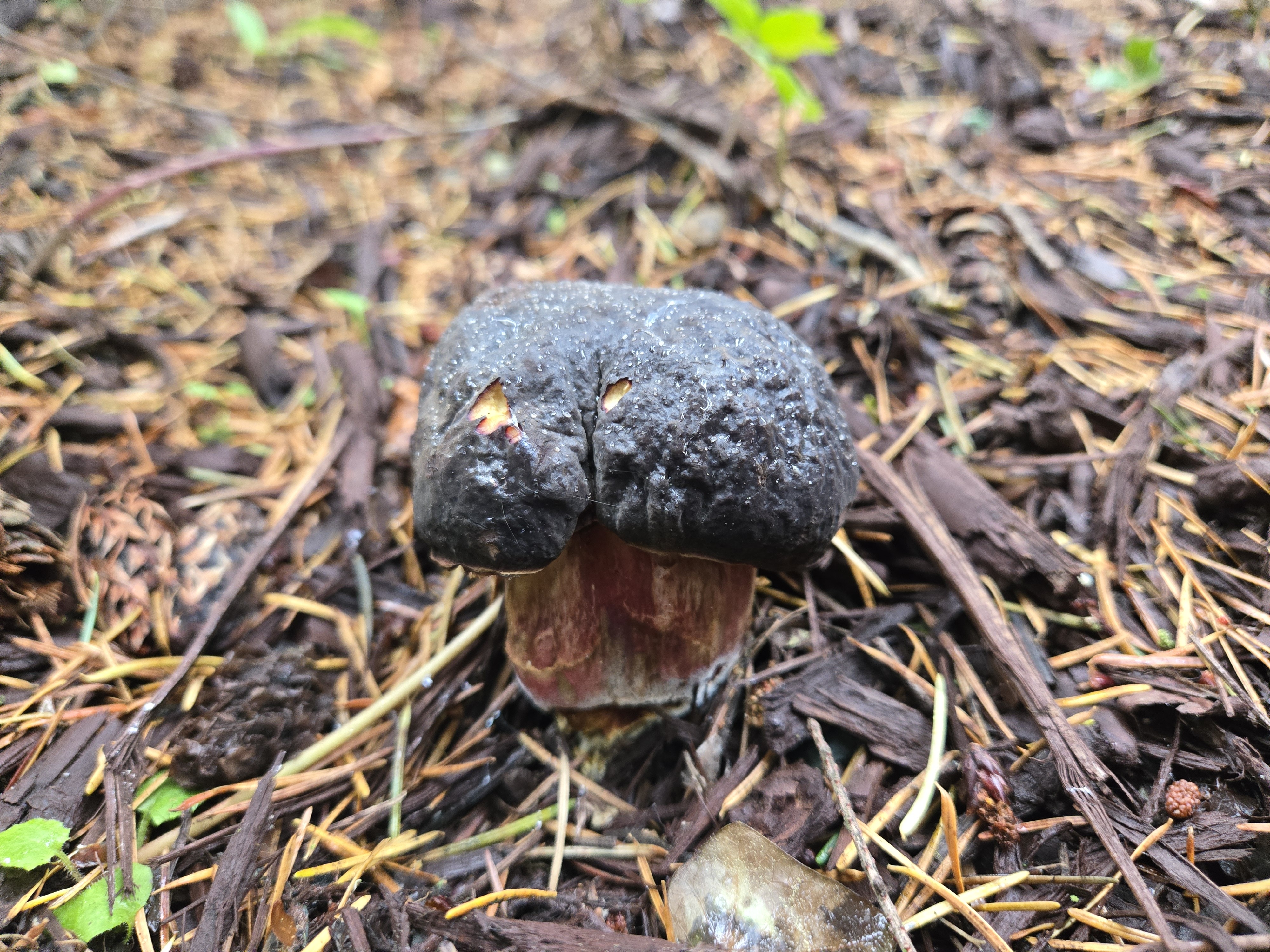
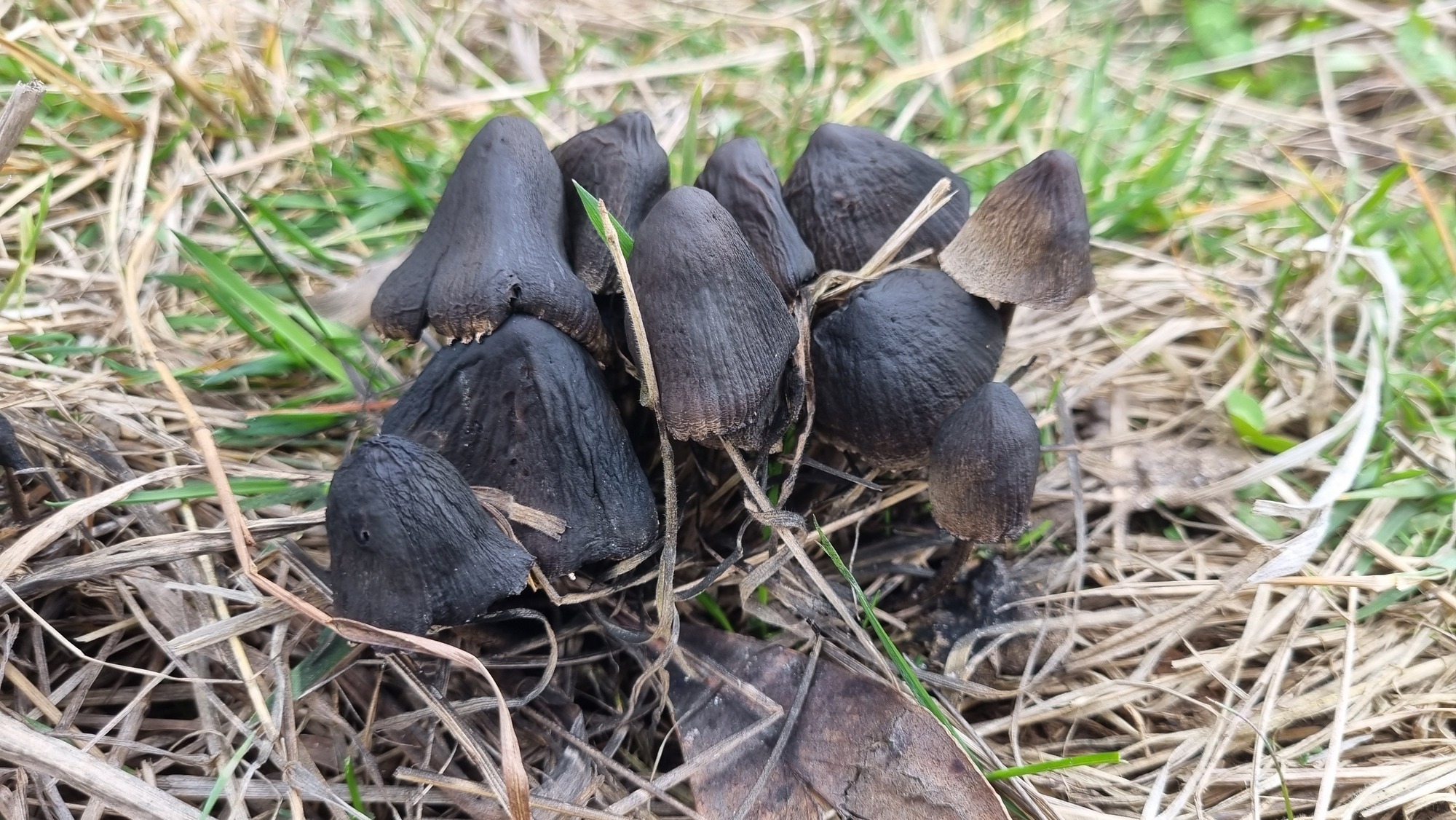
They looked dark, and ominous. So I snapped em.
view more: ‹ prev next ›