this post was submitted on 15 Dec 2025
113 points (98.3% liked)
Climate - truthful information about climate, related activism and politics.
7704 readers
328 users here now
Discussion of climate, how it is changing, activism around that, the politics, and the energy systems change we need in order to stabilize things.
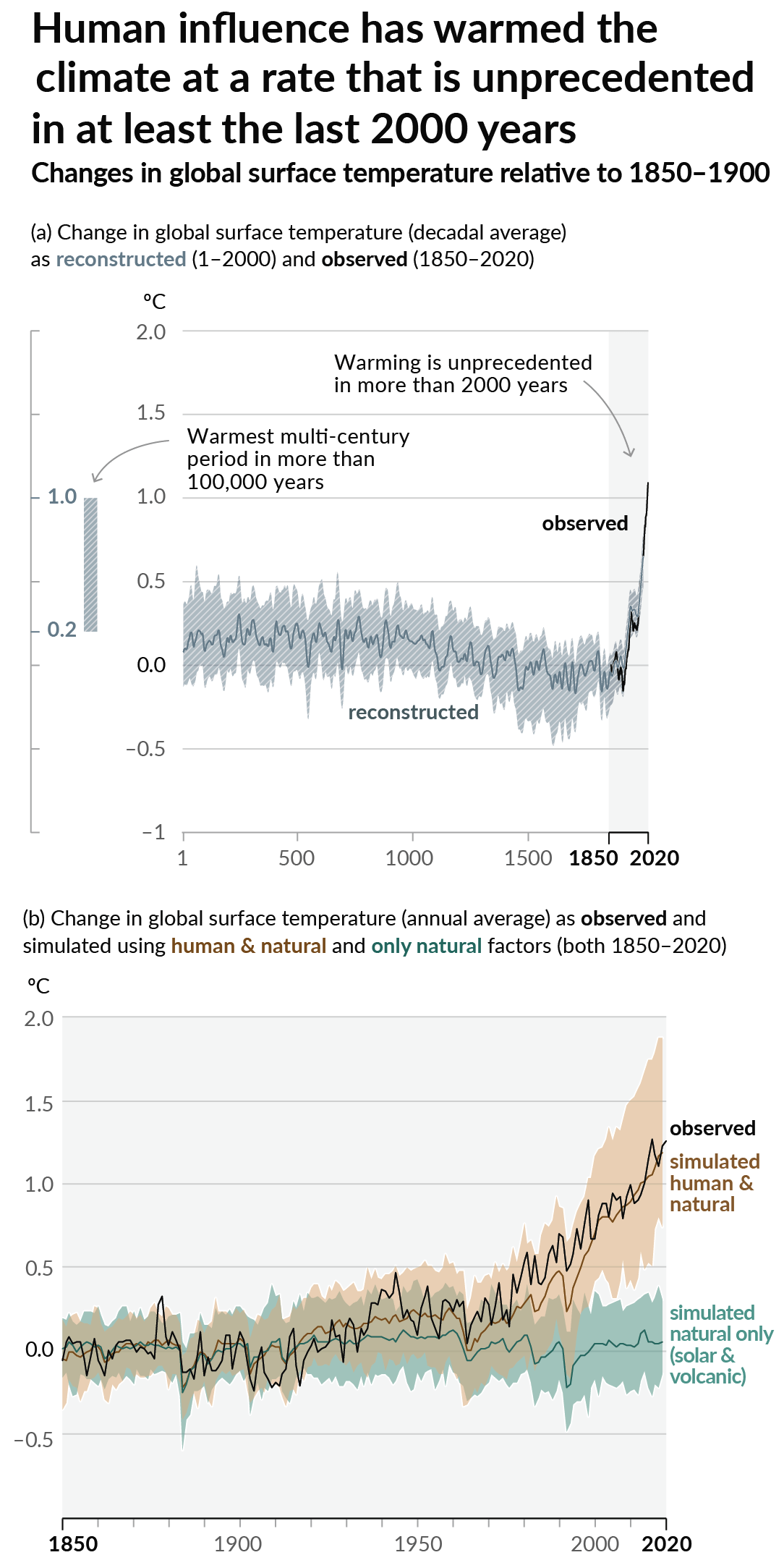
As a starting point, the burning of fossil fuels, and to a lesser extent deforestation and release of methane are responsible for the warming in recent decades:
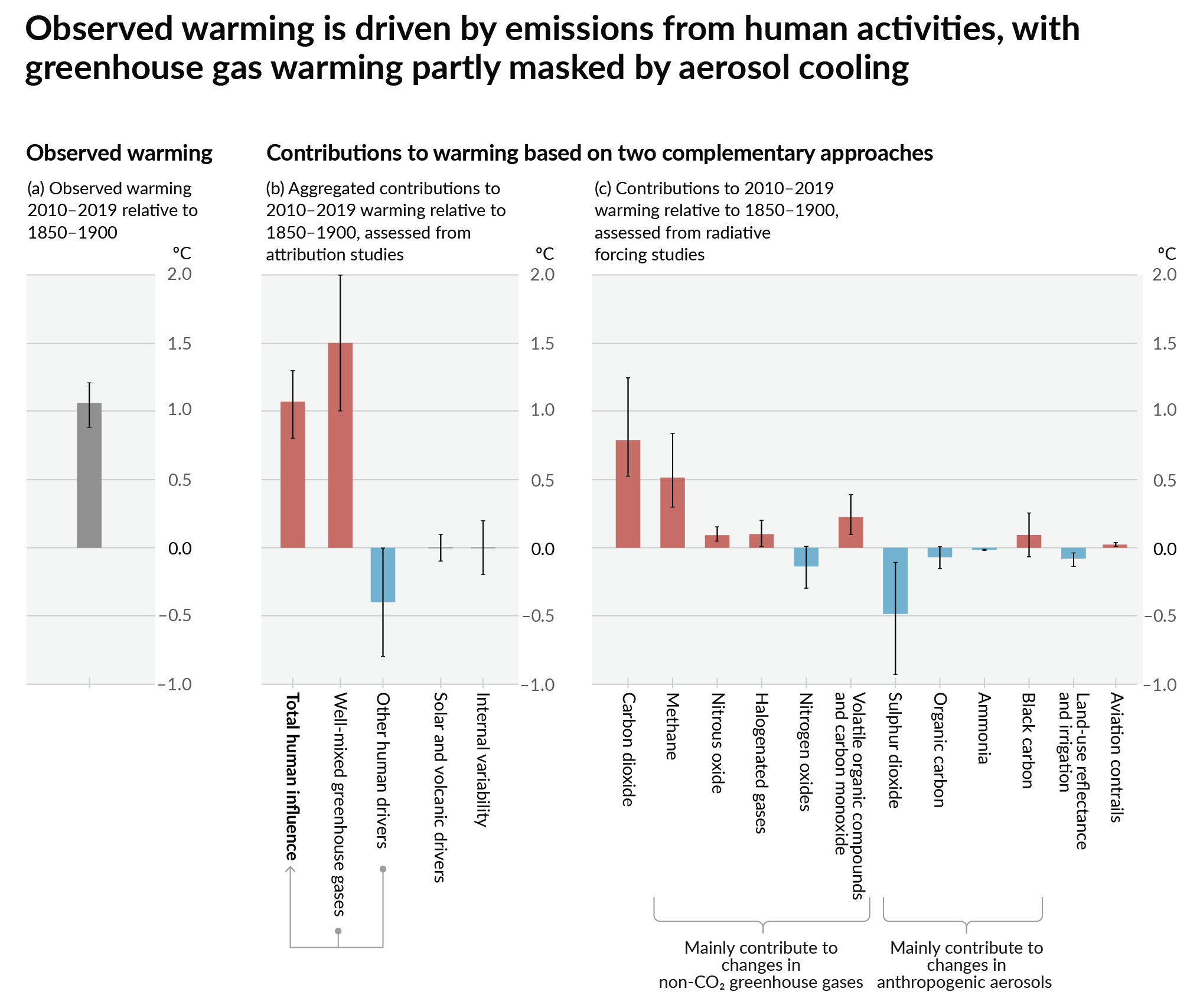
How much each change to the atmosphere has warmed the world:
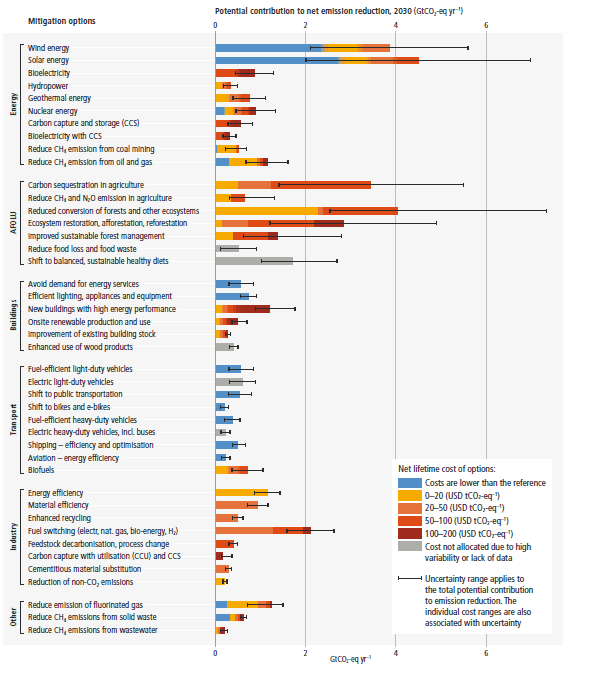
Recommended actions to cut greenhouse gas emissions in the near future:
Anti-science, inactivism, and unsupported conspiracy theories are not ok here.
founded 2 years ago
MODERATORS
you are viewing a single comment's thread
view the rest of the comments
view the rest of the comments
LFP batteries are cheaper. Makes me wonder if they could increase their profit margins and lower the prices by simply switching existing vehicles to LFP. Trying to remember how many EVs ford makes — two? Mustang SUV and EV Truck is all I can remember.
No one is shipping small cars in the US except one mini and one VW. Ford doesn’t even ship sedans anymore. This is really going to bite them when they realize we’re in stagflation and no one can afford expensive cars or expensive gas anymore. Does Ford even have a small car in another market they could bring here? Or will they be forced to slap their badge on someone else’s product?
Edit: Just read they are revising it to add a gas generator. Thats neither cheaper, nor is it going to sell any better.
https://www.engadget.com/transportation/evs/ford-is-rebooting-the-f-150-lightning-as-an-erev-with-a-gas-generator-222529768.html
LFP are still heavier for the same energy.
A small engine would replace most of the batteries in a plug-in hybrid. Complexity makes initial cost a wash, and will be much lighter.
Especially for customers looking to haul or tow, this could be a good thing if done right.
This would result in the battery being fully charged and fully depleted on a regular basis. Which is what causes batteries to degrade overtime.
Hybrid batteries don’t last very long for this reason. So they increase the amount the owner spends on batteries in addition to the gas drivetrain maintenance and common failures.
Hybrids have all the negatives of gas and electric without the positives.
Uhh...they last at least a decade, which is also why for the longest time they had a 10-year powertrain warranty (as required by law to help the transition.) Battery management software on hybrids keep the battery cycling between roughly 40% and 80% until they age out and the bands have to increase. On plug-in hybrids it is managed a bit more complex, with a pocket of energy saved for the plug-in charging/driving. Same principle though.
Also, since the engine in a hybrid does not have to run a full duty-cycle, nor run at high RPM/power levels as frequently as an ICE-only vehicle, the engine also has a longer more gentle life. No need for turbo or supercharger, and the electric motors don't care about altitude, so no power fade when climbing mountains.
Subarus need their headgaskets changed more frequently than a good hybrid would need batteries.
Someone's been reading "I'm scared of the future" myth web sites.
The federal law was 8 years not 10 and that did not include what they call “normal wear and tear” from the battery fully charging and depleting. So the batteries still degrade in less than 8 years and are not covered by the warranty.
Some manufacturers use their software to prevent the battery from fully charging and discharging but it is not required or used by all manufacturers. When it is used it effectively limits your battery capacity in the same way a degraded battery is limited. So it is the same result.
Engines experience the most wear and tear on start up because until the engine is turning, the oil isn’t pumping so on start up the internal parts of the engine are lubricated the least. So hybrids maximize the wear and tear on gas engines.
Not to mention, what you’re describing is what has been known for decades as “city miles” as opposed to “highway miles”. The stop and go, starting and stopping maximizes the wear and tear on the engine and minimizes its lifespan.
This is because Subarus use a unique engine design that no one else uses with head gaskets as a pattern failure.
Using it in a hybrid means you’re paying for the head gaskets and the hybrid systems failures.
I’ve been a master mechanic for over 20 years now. I’m certified in hybrids and EVs and spent a lot of time working on used cars. That’s what I’m basing my comments on.
Like clockwork, hybrid vehicle owners sell their vehicles before the power train warranty is up because warranties don’t cover normal wear and tear.
Hybrids have two drive trains with twice the maintenance and part failures. Both drivetrains operate under the worst conditions (fully charge/deplete, start/stop) so when they start to break down it is twice as expensive.
dude... keep pulling stuff out of your ass. Everything in your post is wrong. Cab companies in every city use hybrids.
Because people like you bullshitting on your agenda.
Of course as a Master something, you would know brake systems on hybrids last 2X other vehicles, and the electric torque takes huge strain off transmissions and ICE motors. I've had hybrids for over 20 years with none of your issues. With fuel savings, free cars.
The brakes last longer because of the electric motor. The gas engine and transmission are unnecessary and more than double the cost of ownership. Hybrids are a waste of money. Get an EV and you won’t need to dump money into maintenance, repairs or gas.