this post was submitted on 01 Jan 2026
156 points (97.0% liked)
Climate - truthful information about climate, related activism and politics.
7750 readers
493 users here now
Discussion of climate, how it is changing, activism around that, the politics, and the energy systems change we need in order to stabilize things.
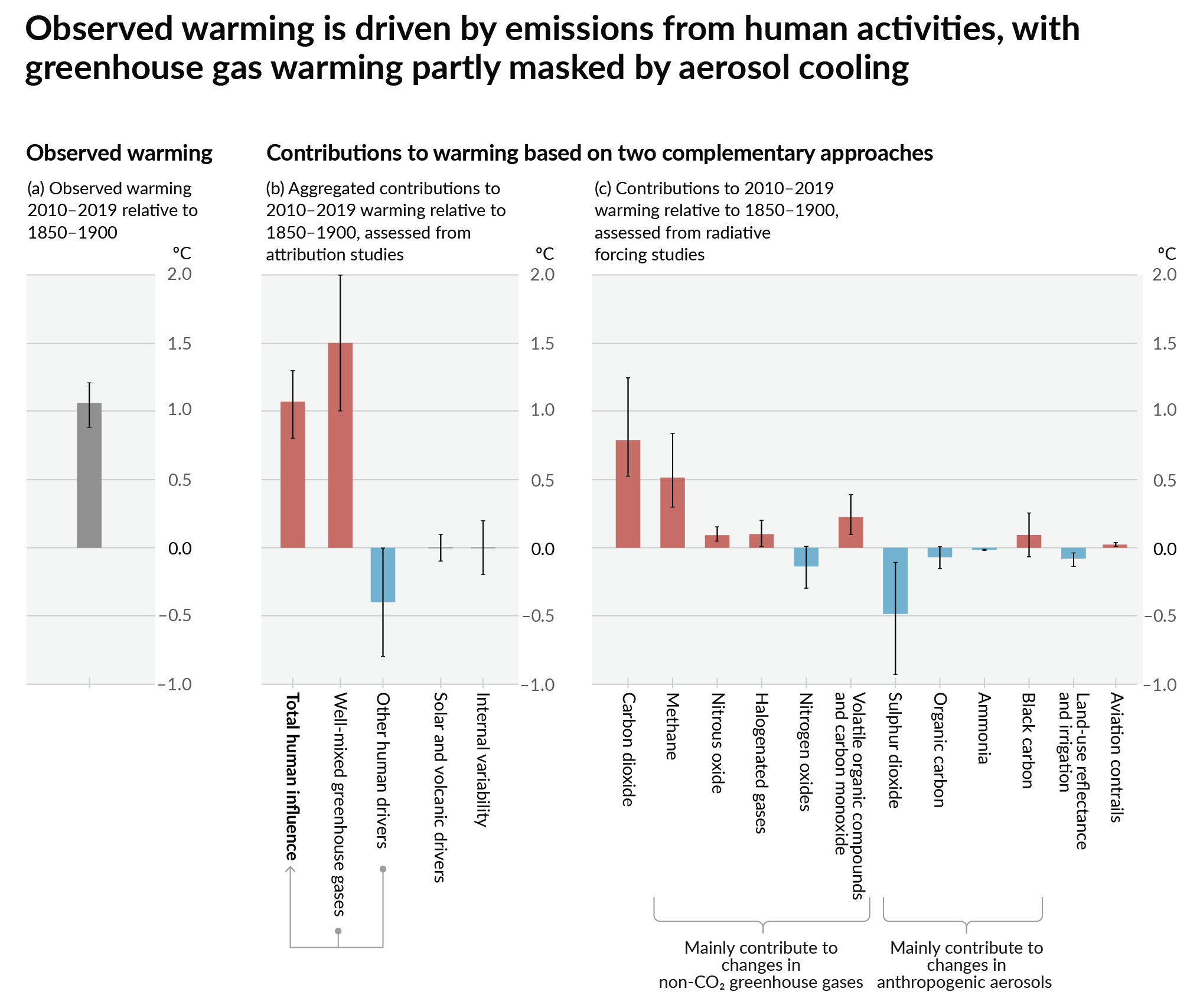
As a starting point, the burning of fossil fuels, and to a lesser extent deforestation and release of methane are responsible for the warming in recent decades:
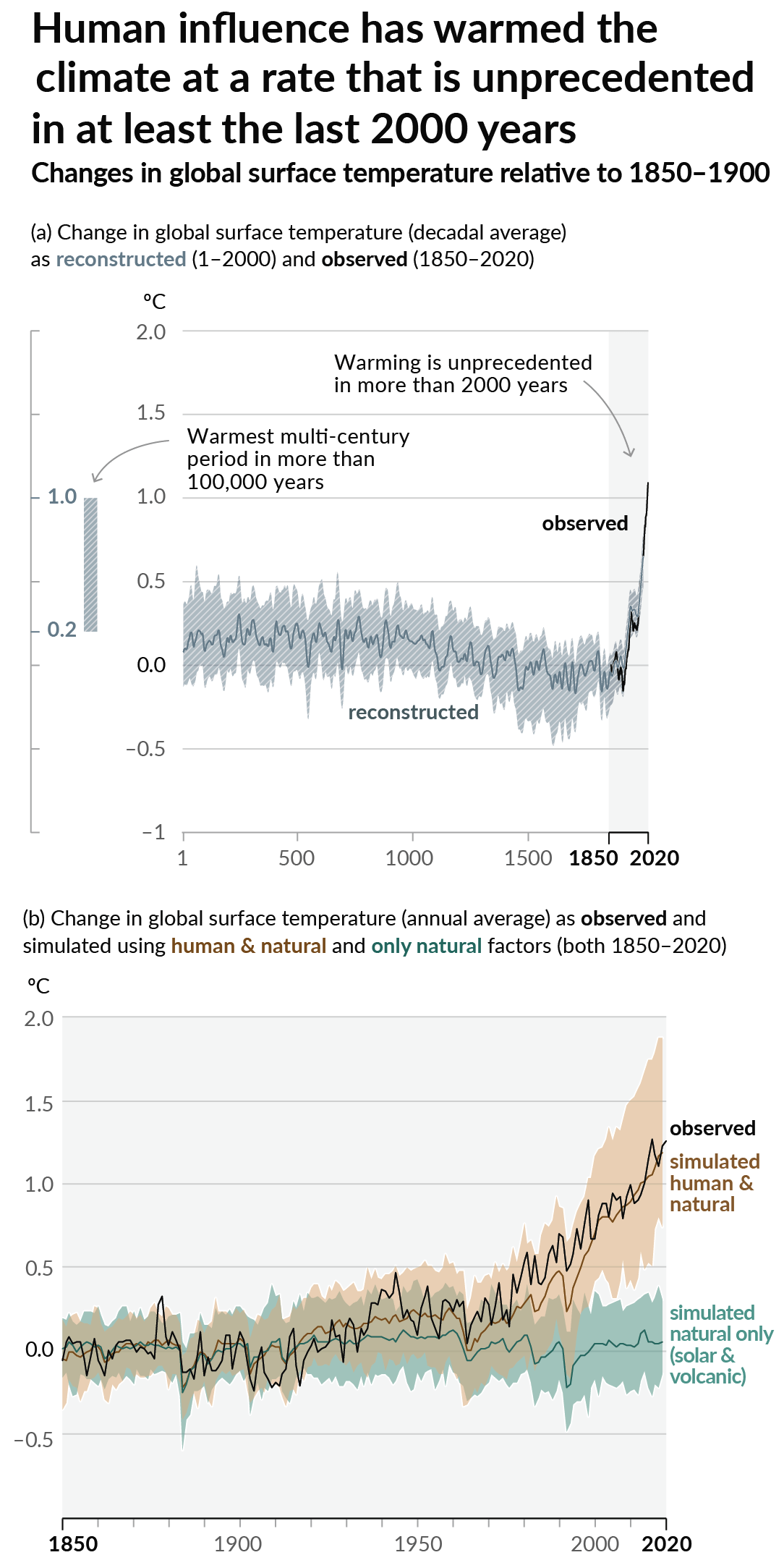
How much each change to the atmosphere has warmed the world:
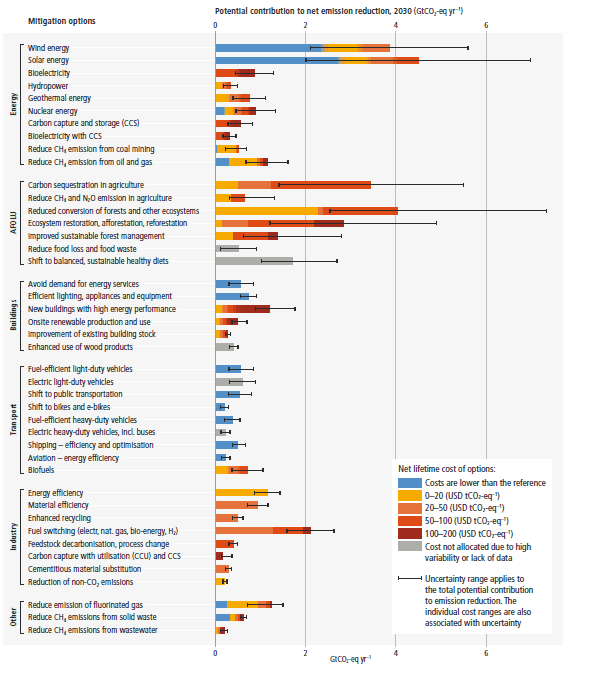
Recommended actions to cut greenhouse gas emissions in the near future:
Anti-science, inactivism, and unsupported conspiracy theories are not ok here.
founded 2 years ago
MODERATORS
you are viewing a single comment's thread
view the rest of the comments
view the rest of the comments
What do you disagree with? Seems like it's just acknowledging the reality of where we are heading.
I think it underestimates the value of climate mitigation. A focus on reducing emissions may not save us from a 3 degree world - and a 5 degree world after that, and a 10 degree world after that - but it could delay those milestones and give us more time to adapt. For example, I think a 40-foot rise in sea level is inevitable in the next few centuries - even a two degree rise guarantees both the Greenland and West Antarctic ice sheets melt - but delaying that 40-foot rise from 2080 to 2150 makes a huge difference in our ability to prepare for it and in the lives of people living in the flood zone now.
I also think climate change is a symptom of the underlying disease of capitalism/technofeudalism. Local and community resilience efforts treat the symptom but leave the disease free to run rampant in new and horrible ways.
(Imagine: a city puts in battery backup in case of grid failure, but the megacorp manufacturing the batteries forces them to use its proprietary software and pay service fees, and when the grid goes down the megacorp hits the city with millions in extra fees and threatens to turn off the power if they don't pay.)
Not the person you asked, but my critique would be: It moves the focus away from decarbonization towards solving very obvious local short-term problems. A move to gain credibility/popularity in the public eye, instead of pushing for long-time measures that have a globally distributed effect. Aka "there is no glory in prevention".
That said, I know it's easy to critique like I did without being directly involved. Perhaps the idea is to then use this new political capital to push for those measures again. It may be a smart move, and it will certainly be a good thing to push for adaptation measures locally anyway, before everyone can finally agree that they are needed. But it does feel like giving up on the cost-effective but unpopular decarbonization.
That's actually a part I don't disagree with. Local short-term problems still do need to be solved. They are the symptoms of the underlying disease that is the global capitalist economy, and we have to fight the disease instead of just fighting the symptoms - but if you don't treat the symptoms, you might end up dying before you can treat the disease.
And, also, the personal is political. People will see the impacts of climate change on their communities, and people will commit the time and effort to adapt to those impacts locally, and that will make people more willing to vote for the national and global collective action we need even more badly.
Credibility and popularity are necessary. Getting people involved and committed on the local level is the first step to getting people involved and committed on the global level.
If climate leaders lead people in that transition instead of stopping at the local level and saying "hey, we rented some solar panels from this fossil fuel megacorp that branched out into solar power, everything's good now, go back to consuming as usual".