this post was submitted on 26 Dec 2025
335 points (99.4% liked)
Climate - truthful information about climate, related activism and politics.
7738 readers
418 users here now
Discussion of climate, how it is changing, activism around that, the politics, and the energy systems change we need in order to stabilize things.
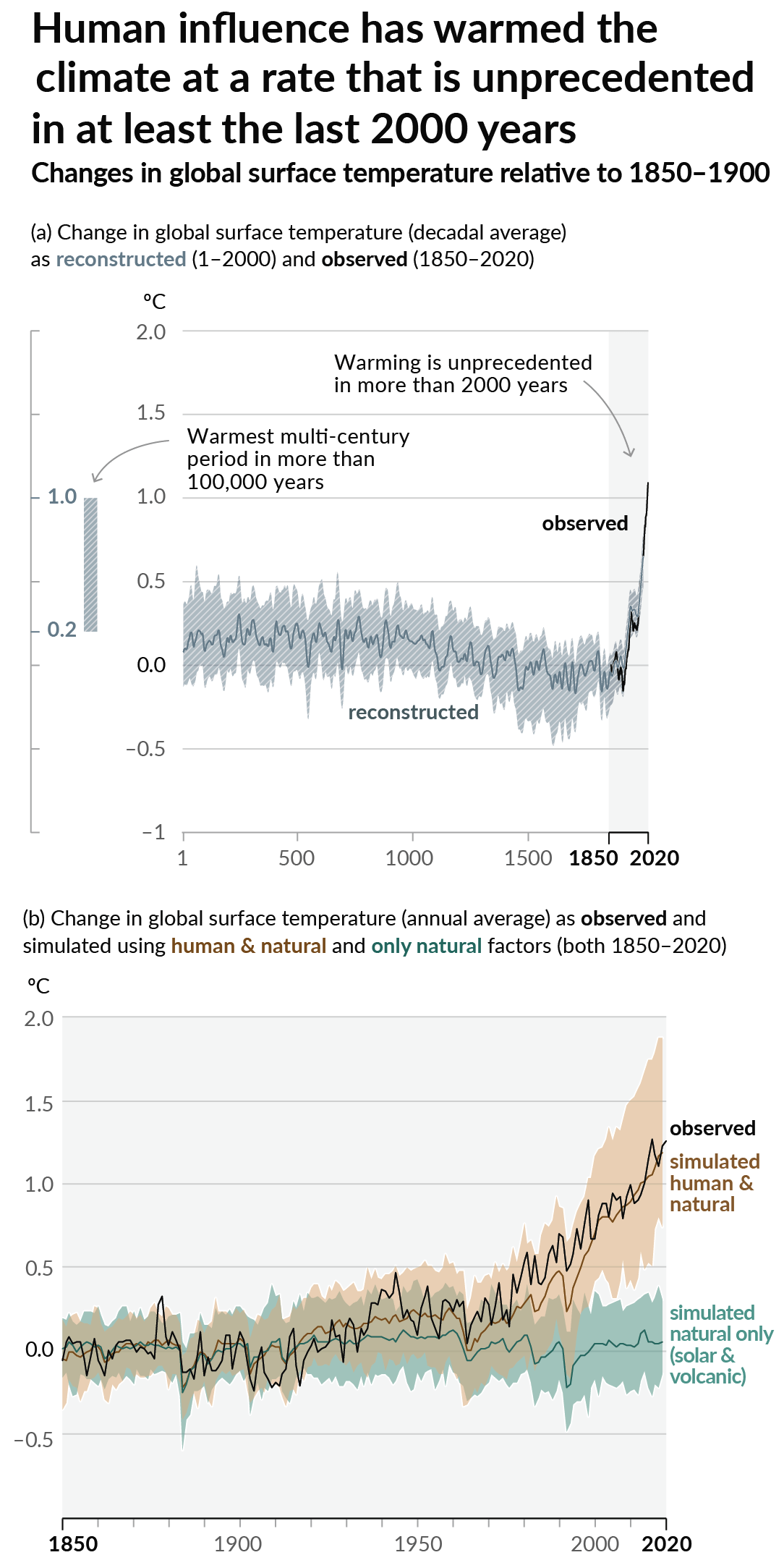
As a starting point, the burning of fossil fuels, and to a lesser extent deforestation and release of methane are responsible for the warming in recent decades:
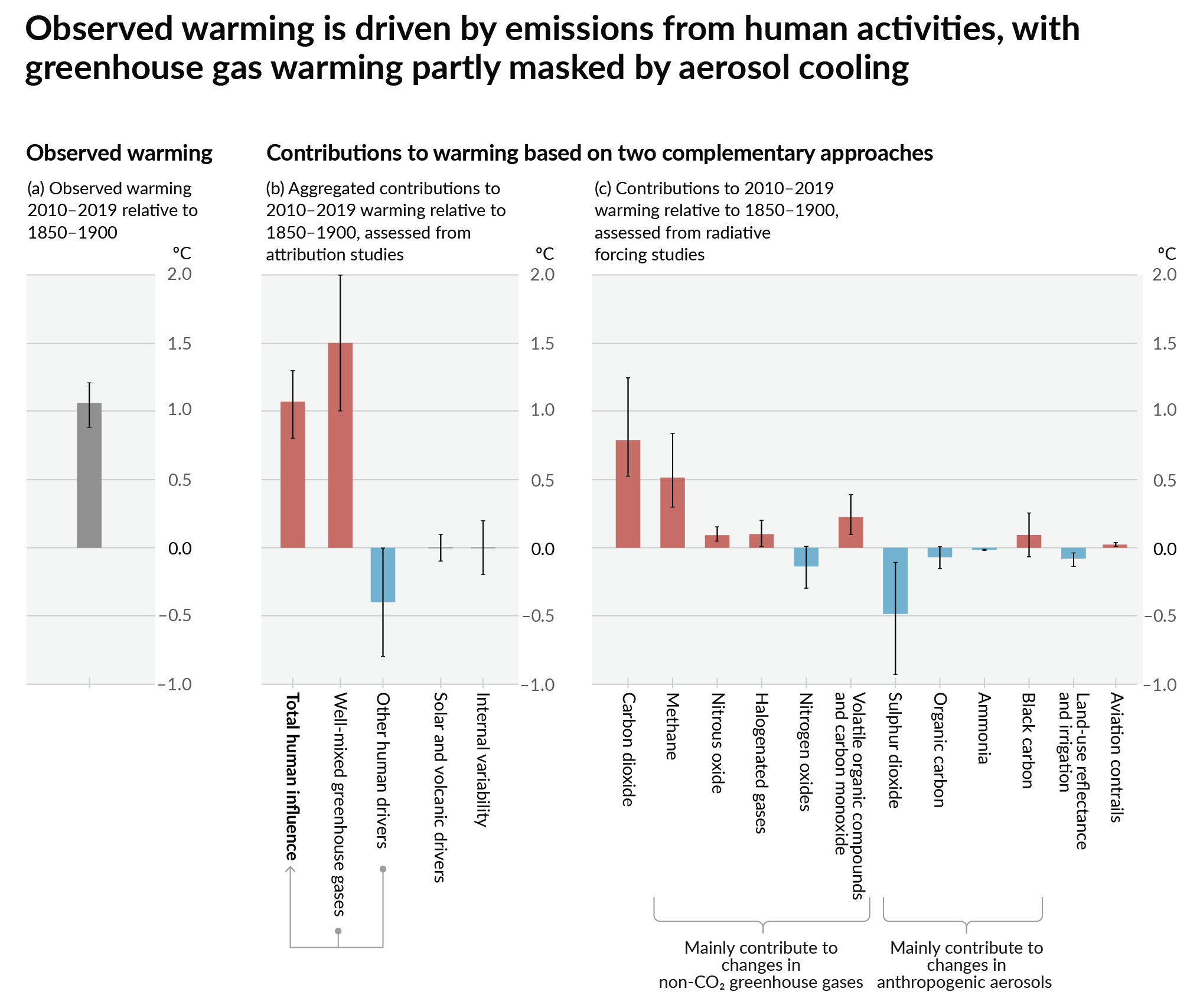
How much each change to the atmosphere has warmed the world:
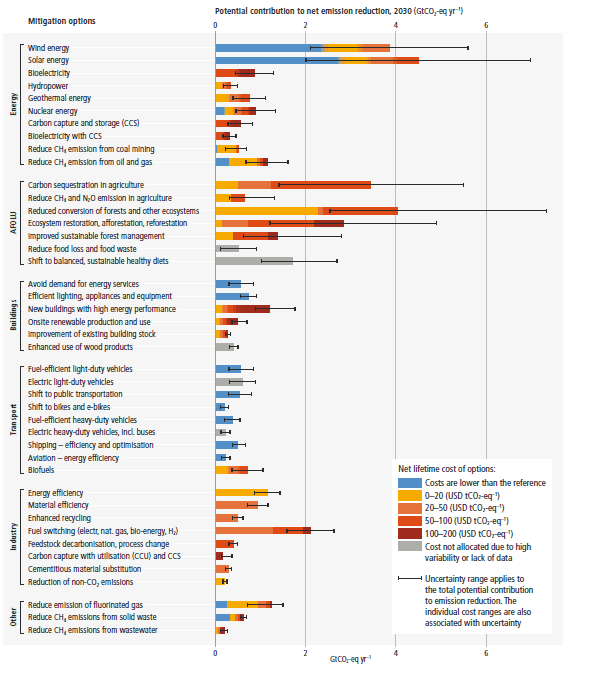
Recommended actions to cut greenhouse gas emissions in the near future:
Anti-science, inactivism, and unsupported conspiracy theories are not ok here.
founded 2 years ago
MODERATORS
you are viewing a single comment's thread
view the rest of the comments
view the rest of the comments
Yes. Persistent contrails - i.e. aviation-induced cirrus clouds which spread in supersaturated air layers - are indeed bad for the climate, but often their effect is ignored as hard to quantify, while the simpler small effect of short-lived contrails is conveniently cited instead.
Also, while all high clouds have a warming effect by reflecting infra-red radiation back to earth, there can also be a cooling effect due to reflecting solar radiation, which is greater when the angle of the sun is low. So the net effect is warming in the middle of the day and at night, but cooling in morning and evening.
Thanks for the insightful response, as with most things, there's nuance missing from the conversation