this post was submitted on 01 Jan 2026
156 points (97.0% liked)
Climate - truthful information about climate, related activism and politics.
7750 readers
493 users here now
Discussion of climate, how it is changing, activism around that, the politics, and the energy systems change we need in order to stabilize things.
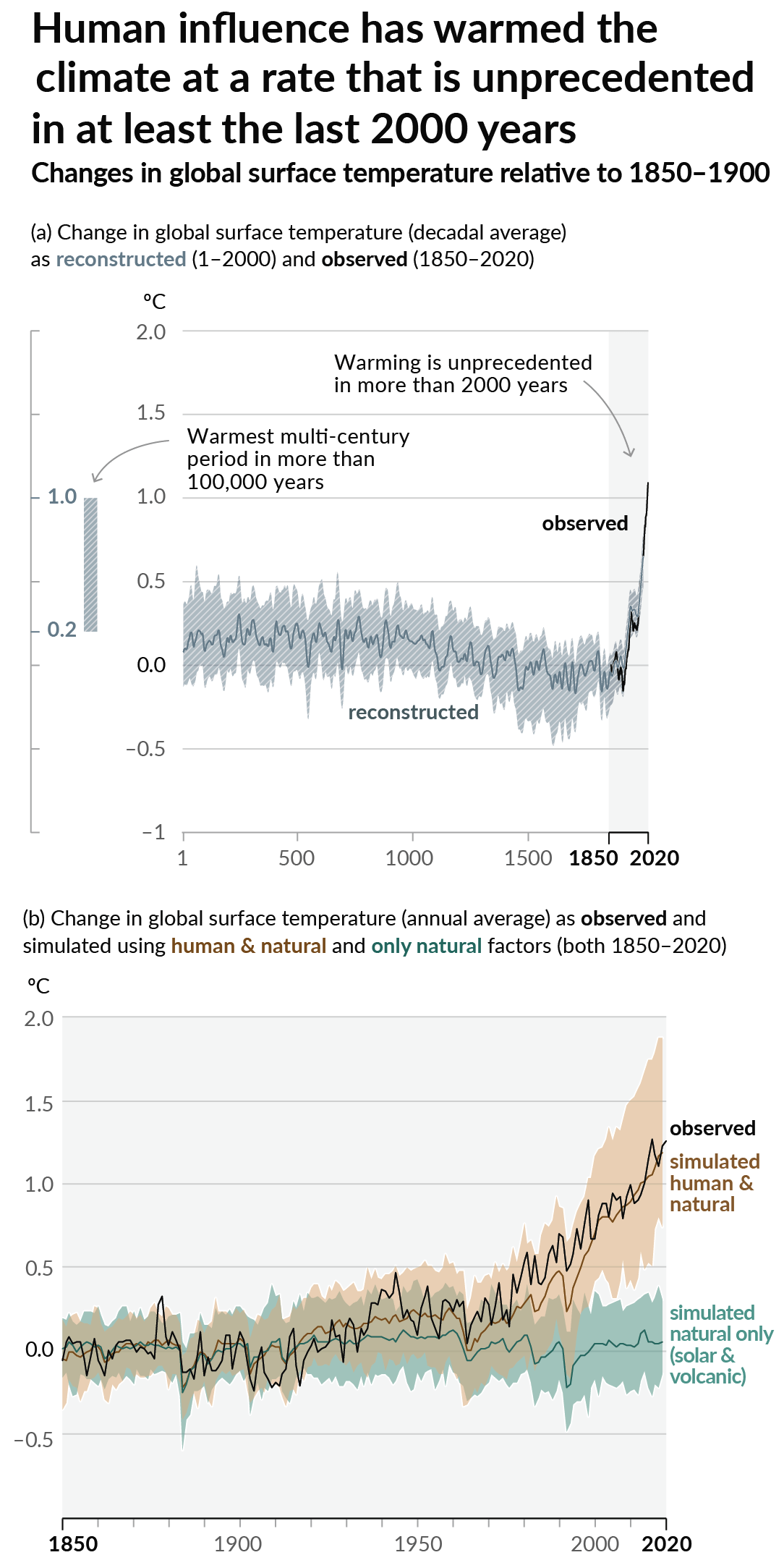
As a starting point, the burning of fossil fuels, and to a lesser extent deforestation and release of methane are responsible for the warming in recent decades:
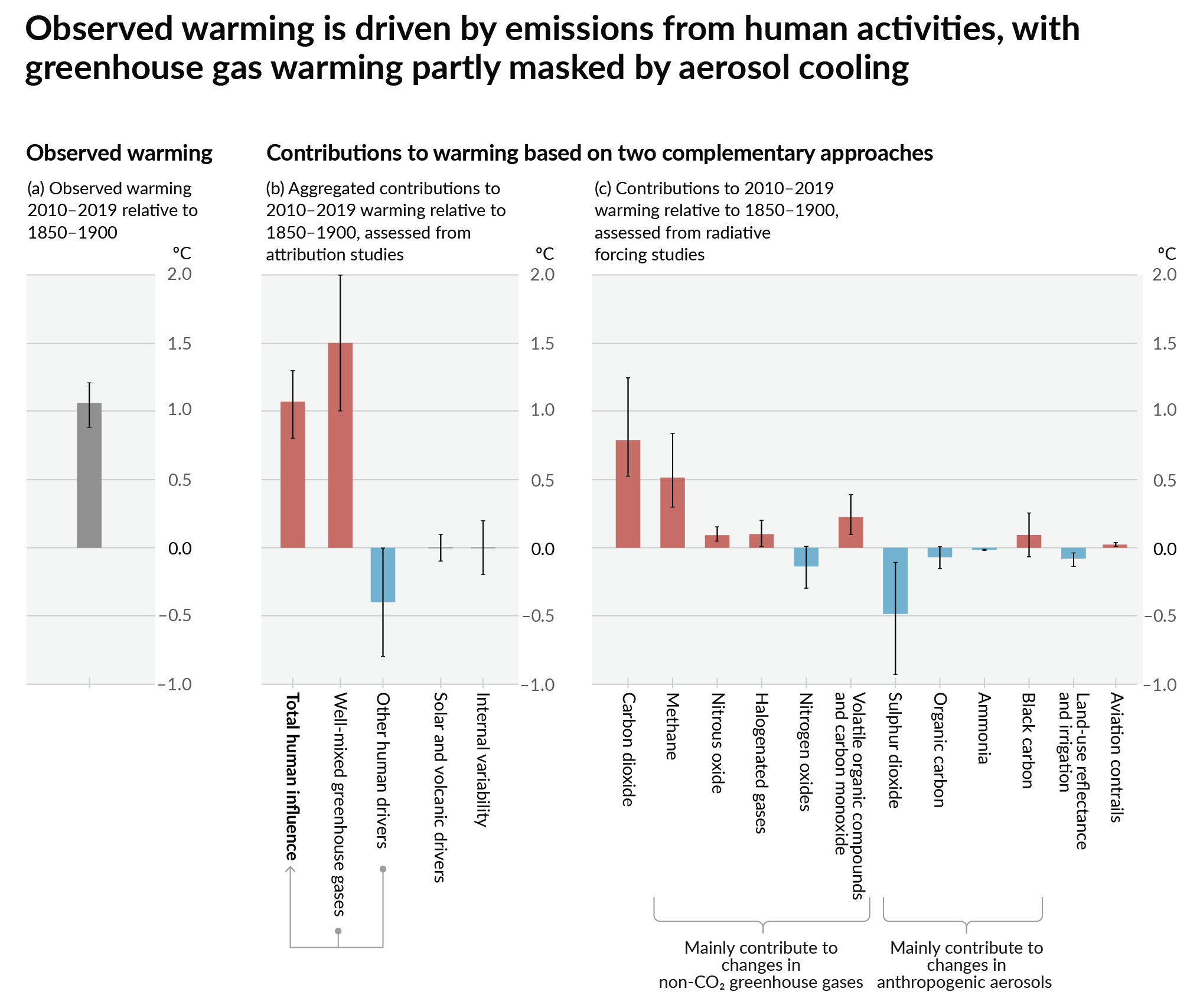
How much each change to the atmosphere has warmed the world:
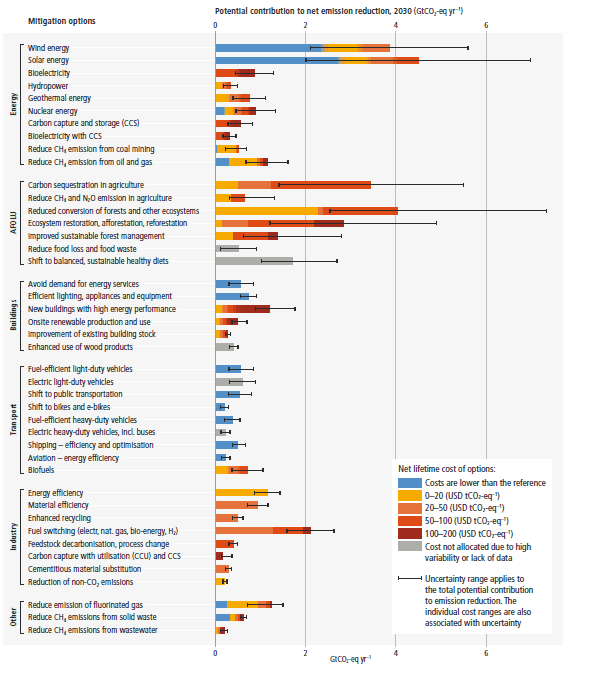
Recommended actions to cut greenhouse gas emissions in the near future:
Anti-science, inactivism, and unsupported conspiracy theories are not ok here.
founded 2 years ago
MODERATORS
you are viewing a single comment's thread
view the rest of the comments
view the rest of the comments
There will be adaptation either way. It's still lame to shift agenda to "subsidizing adaptation" to support it getting even worse. Our current adaptation path
See. No need to worry about there not being an adapting strategy. The part about cutting forest fire mitigation and FEMA budgets doesn't quite make sense, except for boosting insurance premiums.
Adaptation was not defined. It could mean have the world's rich accomodate the world's poor, but our failure point has been poltiically that we could not sacrifice just the rich oil company's extortionist profit power to reduce our energy costs in addition to future sustainability expenses/compromises. How can that broader failure of direct immediate social benefit translate into future political support for social sacrifice for humanist purposes.
A side note, the only policy that was ever going to, or will ever, stop global warming is a carbon/GHG tax with the proceeds paid to citizens/residents as a dividend. Demonic warmongering for losing wars, along with the divisiveness it invites for inflation and attacks against the economy, with more oligarchist and zionist supremacism as the winning solution is necessary to make you more miserable, and in your misery, lose all concern for human sustainability while consumed with anxiety over your near term future.
Back to adaptation, perhaps a politically relevant class is relatively wealthy residents of Phoenix. Should "we" give them free homes somewhere that is not an abomination to humanity? Compared to trucking desalinated water into Phoenix for 200 years, digging them a canal from the Great lakes would be a bargain. Florida coastal home owners vote in what is sometimes a swing state... should we build them a sea wall for entire state?
Surely, with electric bills set to soar 300% because we politically require all the AI datacenters to bring skynet surveilance state that ensures skynet support (or China wins), cannot tolerate an extra 10% electricity increase to subsidize the poor's access to AC, since Skynet will make the poor unneeded anyway.
The problem with supporting adaptation, is that you give the politically relevant classes a lifeline to support continued climate terrorism. The lifeline being that they will get bailed out after we are finishing arguing about who deserves to survive/be bailed out.
The other issue with adaptation, is that it financially costs less to mitigate worsening than it does spending on ever increasing adaptation. Even if you win political support for the stupid option, it is still smarter/cheaper to mitigate instead.